Best Patient Communication Software Platforms (2026 Guide)
This is a subtitle for your new post
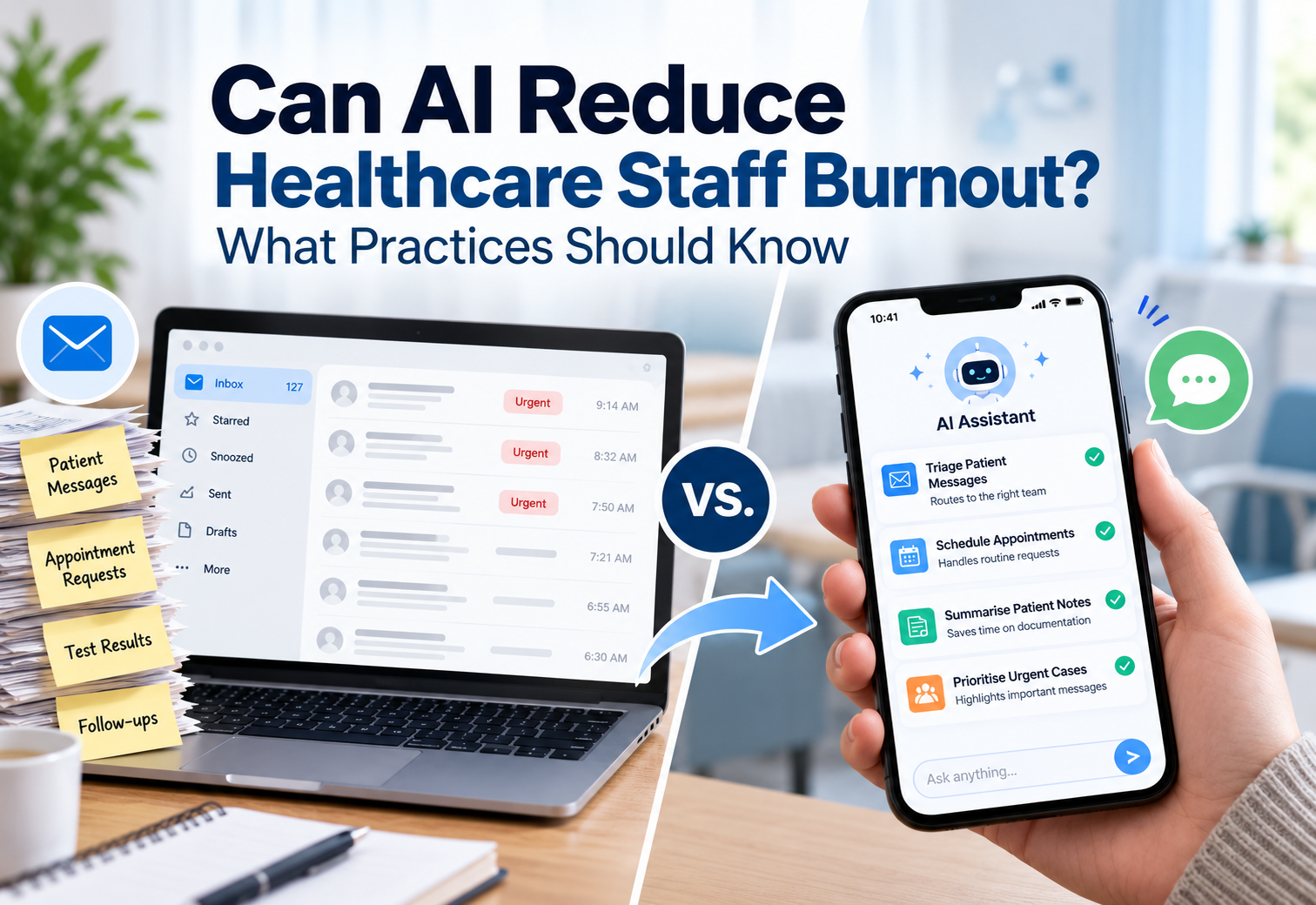
Patient communication has become one of the most demanding parts of running a medical or dental office. Front desk staff juggle missed calls, no-shows, and slow response times, and the strain shows up everywhere: longer hold times, frustrated patients, and burned-out teams. The right patient communication software brings texting, calls, reminders, booking, and secure messaging into a single system. This 2026 guide breaks down what patient communication software is, why it matters, and seven strong options, drawn directly from each provider's website.
What Is Patient Communication Software?
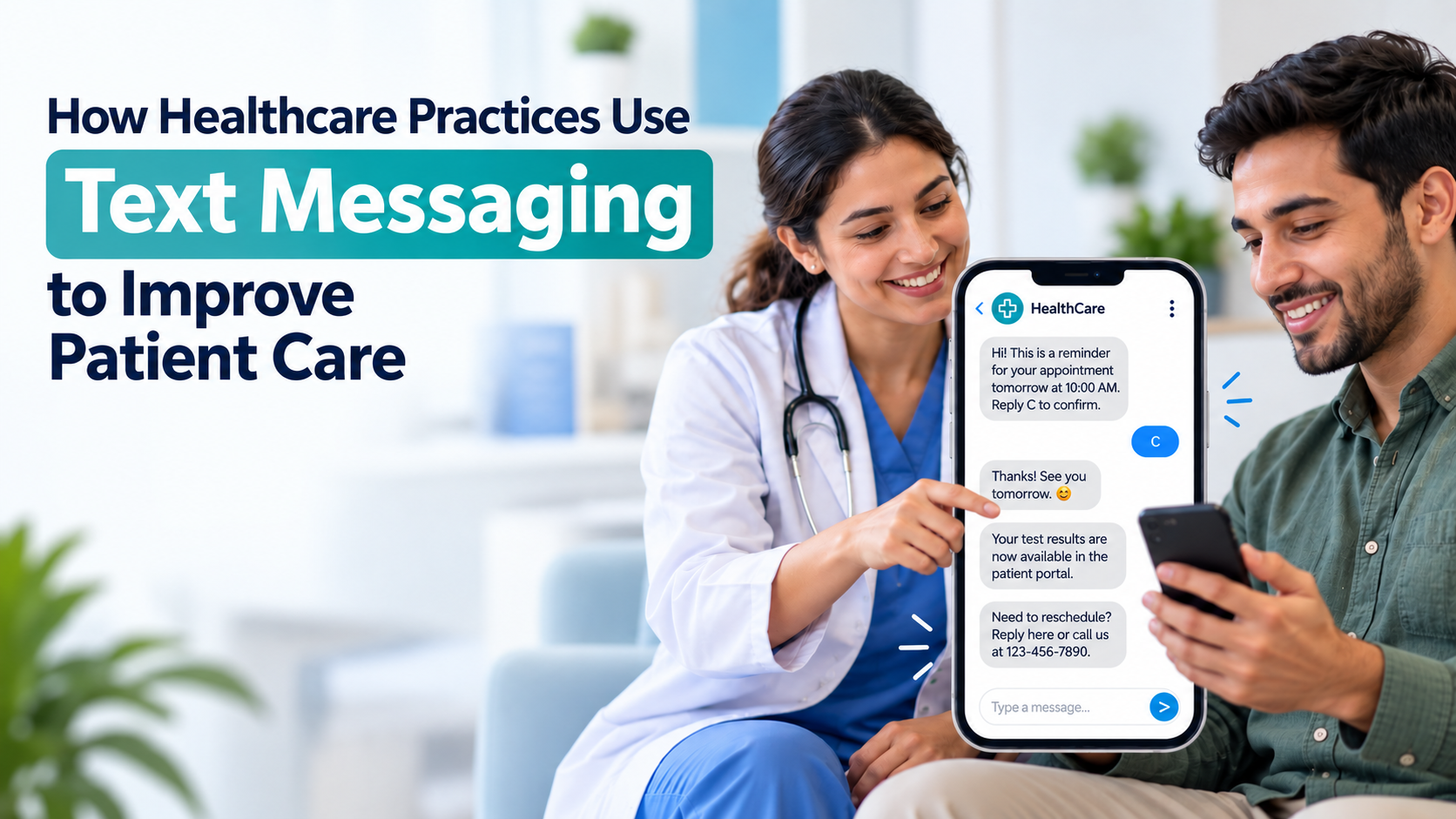
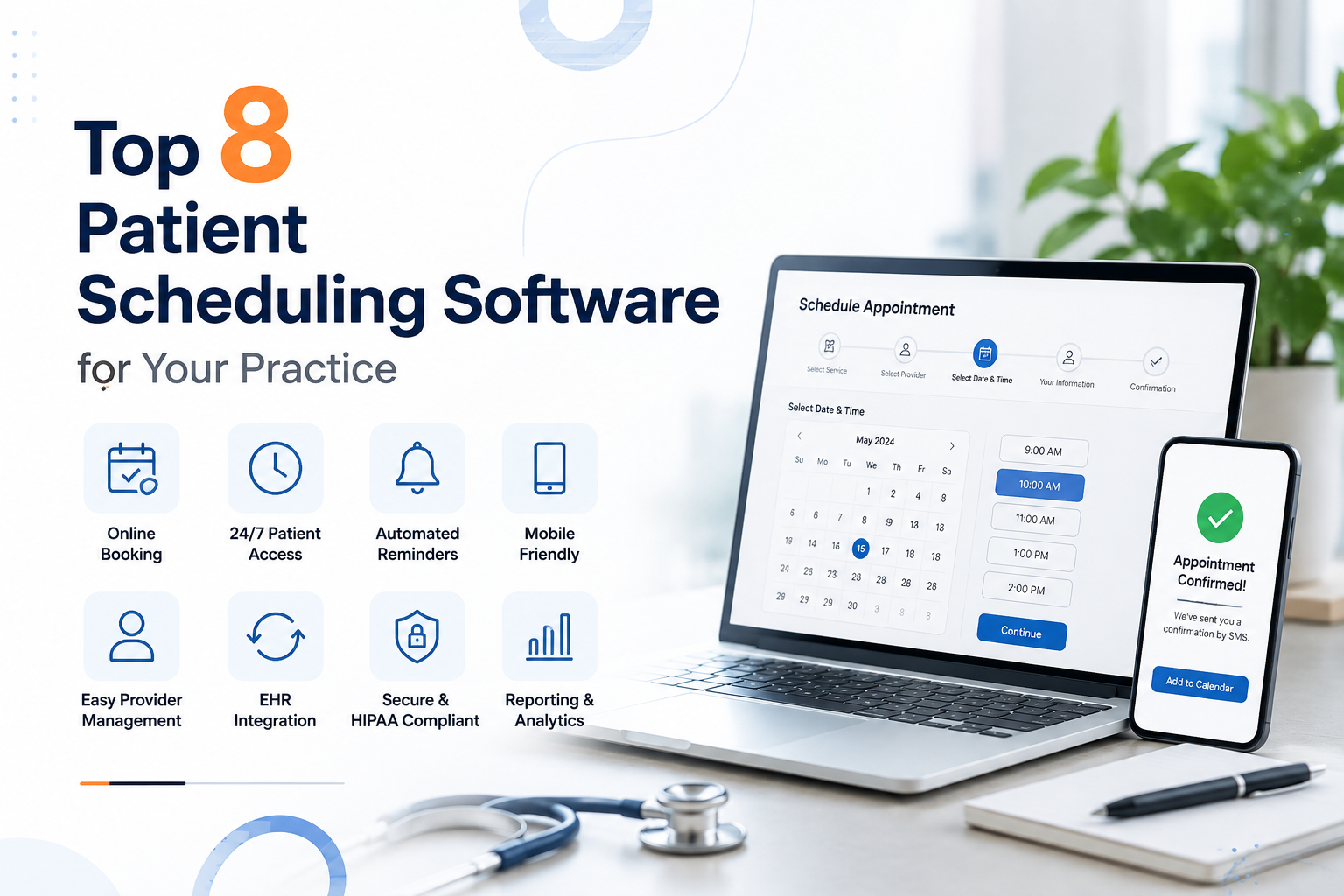
Patient communication software is a platform that helps healthcare practices communicate with patients more easily. Most platforms include two-way texting, automated appointment reminders, online booking, phone systems, secure messaging, and sometimes digital forms or payment collection.
These tools are built to meet HIPAA requirements, so patient information stays protected throughout. The goal is simple: make communication faster and easier for both the office and the patient, without forcing staff to juggle multiple disconnected apps.
Benefits of Patient Communication Software
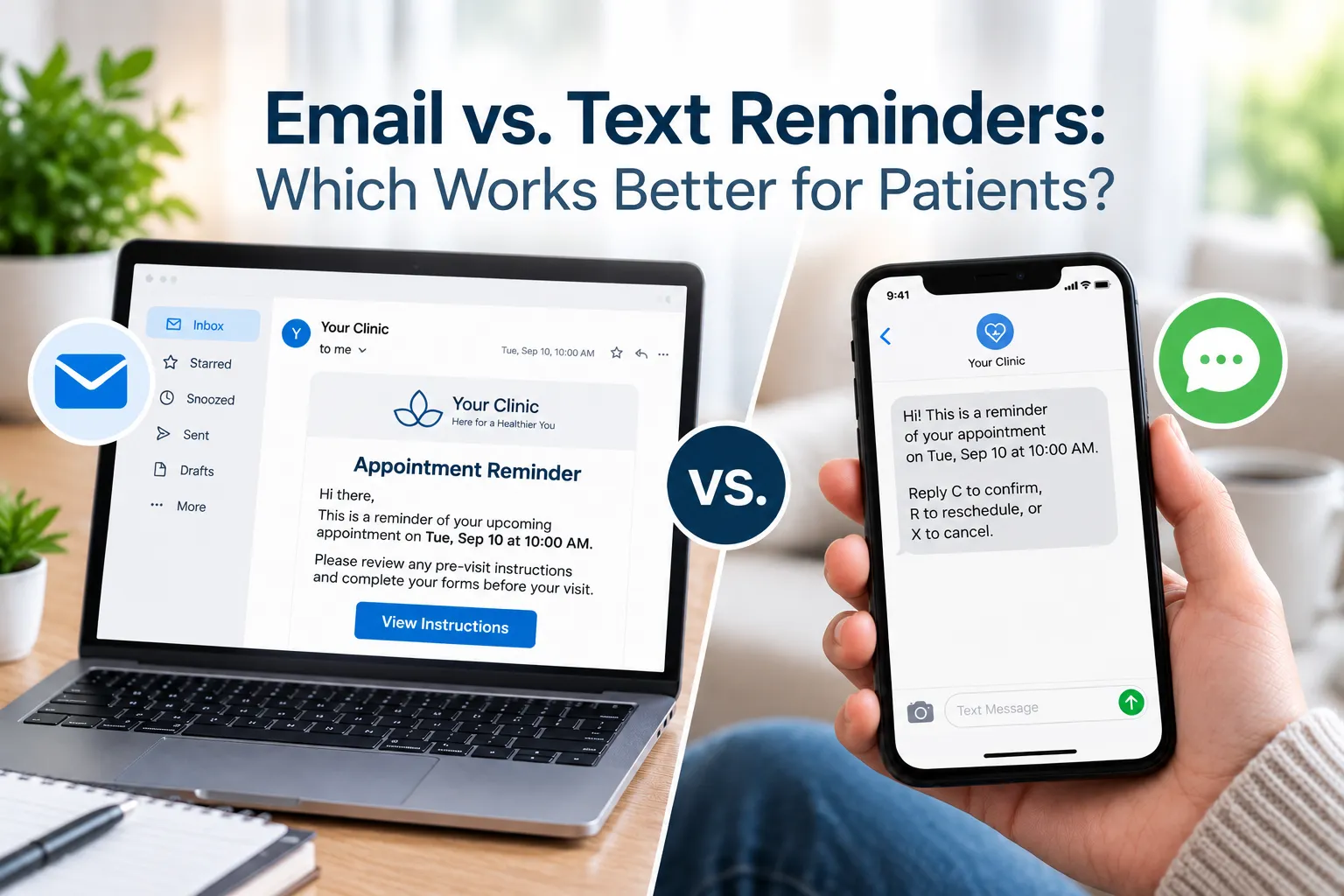
The right platform takes real weight off front desk staff. Offices typically see fewer missed calls and fewer no-shows, along with faster response times. Patients tend to prefer getting updates by text over waiting on hold, and automated follow-ups help keep care on track without extra manual work.
Many systems also support payment collection and review requests, which helps practices grow. The net effect: less time on the phone, more time with patients, and a calmer day-to-day for the whole team.
Best Patient Communication Software Platforms
1. SimpleChime

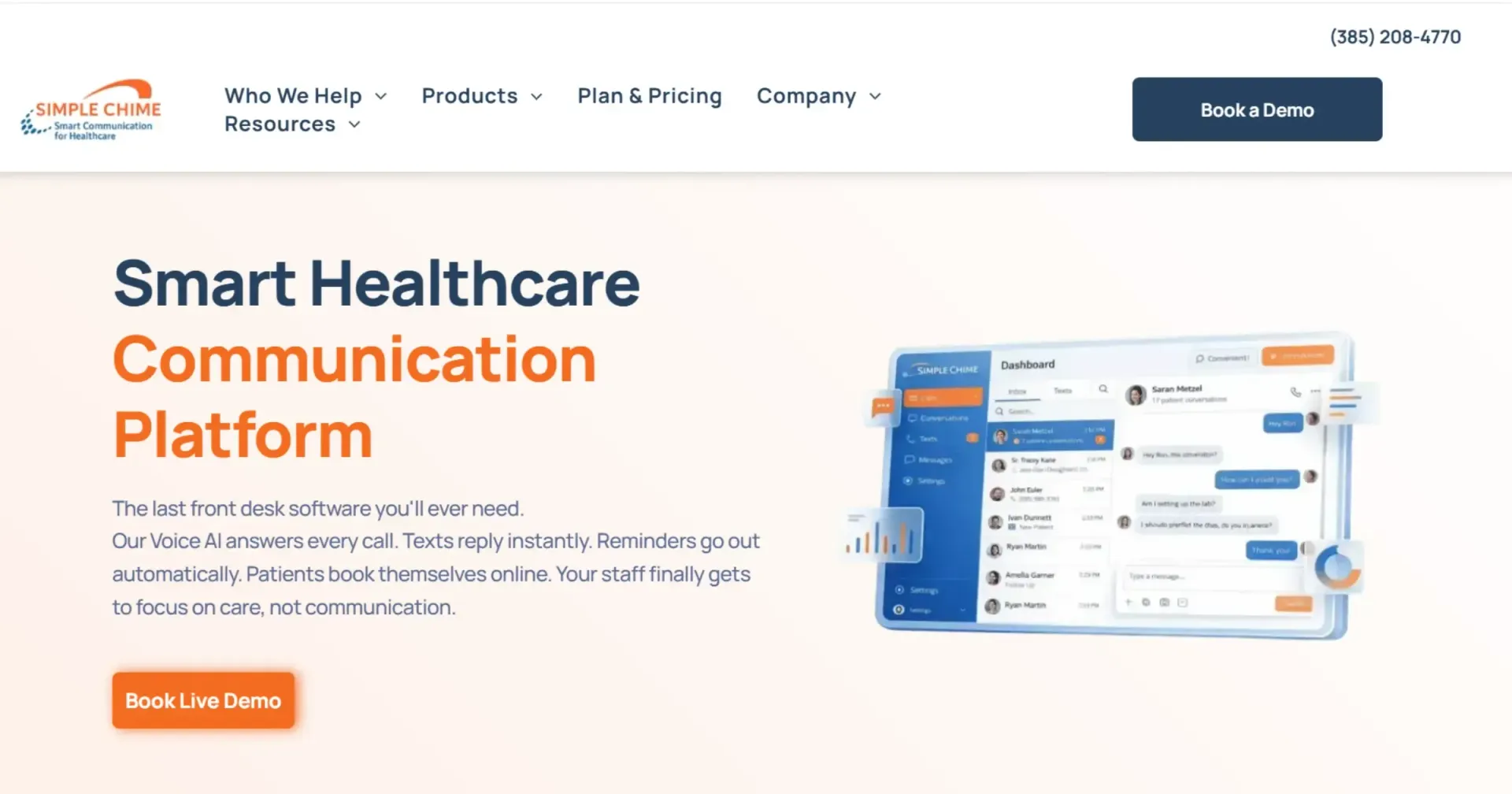
SimpleChime combines Voice AI, texting, and automation into a single system built for health offices. Rather than replacing your phone number or EHR, it works alongside what you already have, bringing calls, texts, and bookings together on one screen.
Key features
- Voice AI that answers calls and can schedule, reschedule, or cancel appointments directly with patients
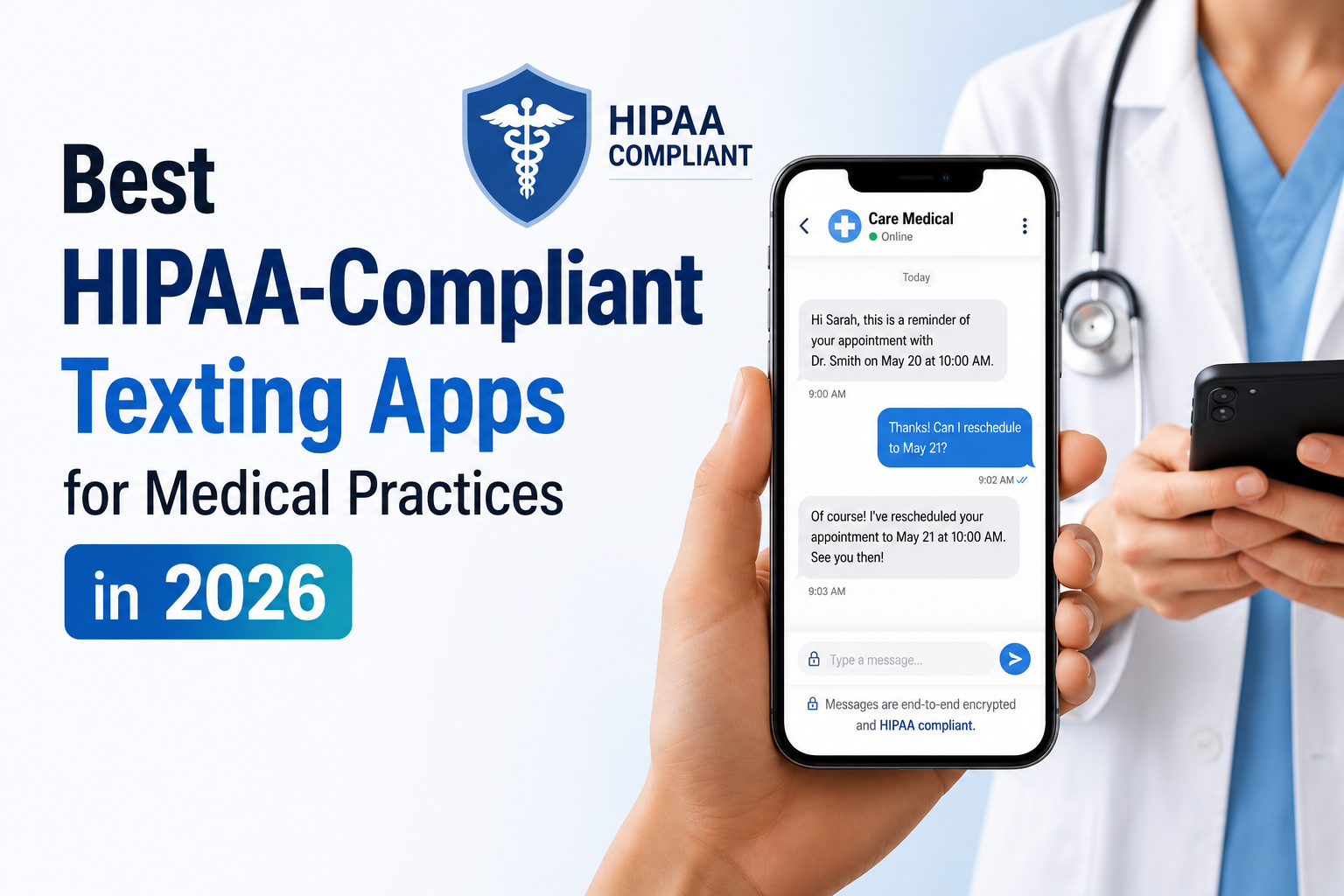
- Two-way SMS texting and automated appointment reminders
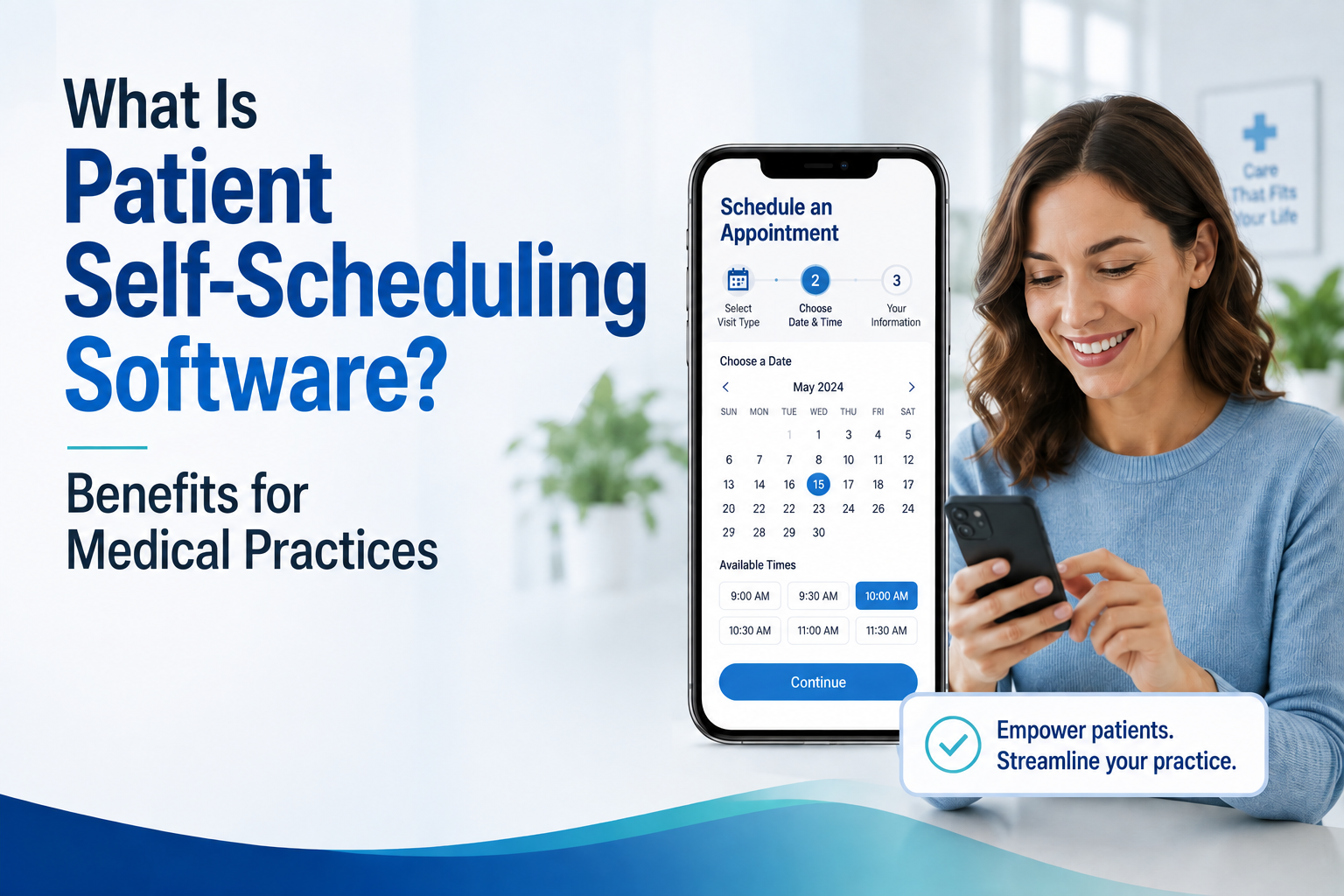
- Patient self-scheduling and rescheduling by text or online, with real-time calendar sync
- Digital fax and email reminders
- Website lead-capture widget with a chatbot for after-hours inquiries
- Shared team inbox with calls, texts, and messages automatically logged to each patient's record
Pros
- Reported to cut patient call volume by 60%, based on company data from 1,200+ practices
- Keeps your existing office number and works alongside your current EHR, so setup doesn't mean switching systems
- HIPAA compliant, with encrypted data and a signed Business Associate Agreement (BAA)
- Suited for practices of any size, including multi-location groups
Cons
- Specific EHR platforms it connects with aren't named on the site
- No publicly listed language support details for the Voice AI
Integrations: Syncs with your scheduling or calendar system in real time and works alongside your EHR rather than replacing it. Since specific EHR platforms aren't listed on the site, it's worth confirming compatibility directly with SimpleChime.
Best suited for: Busy medical practices, including multi-location groups, that want AI call handling and straightforward text-based communication without switching their existing phone number or EHR.
2. Weave

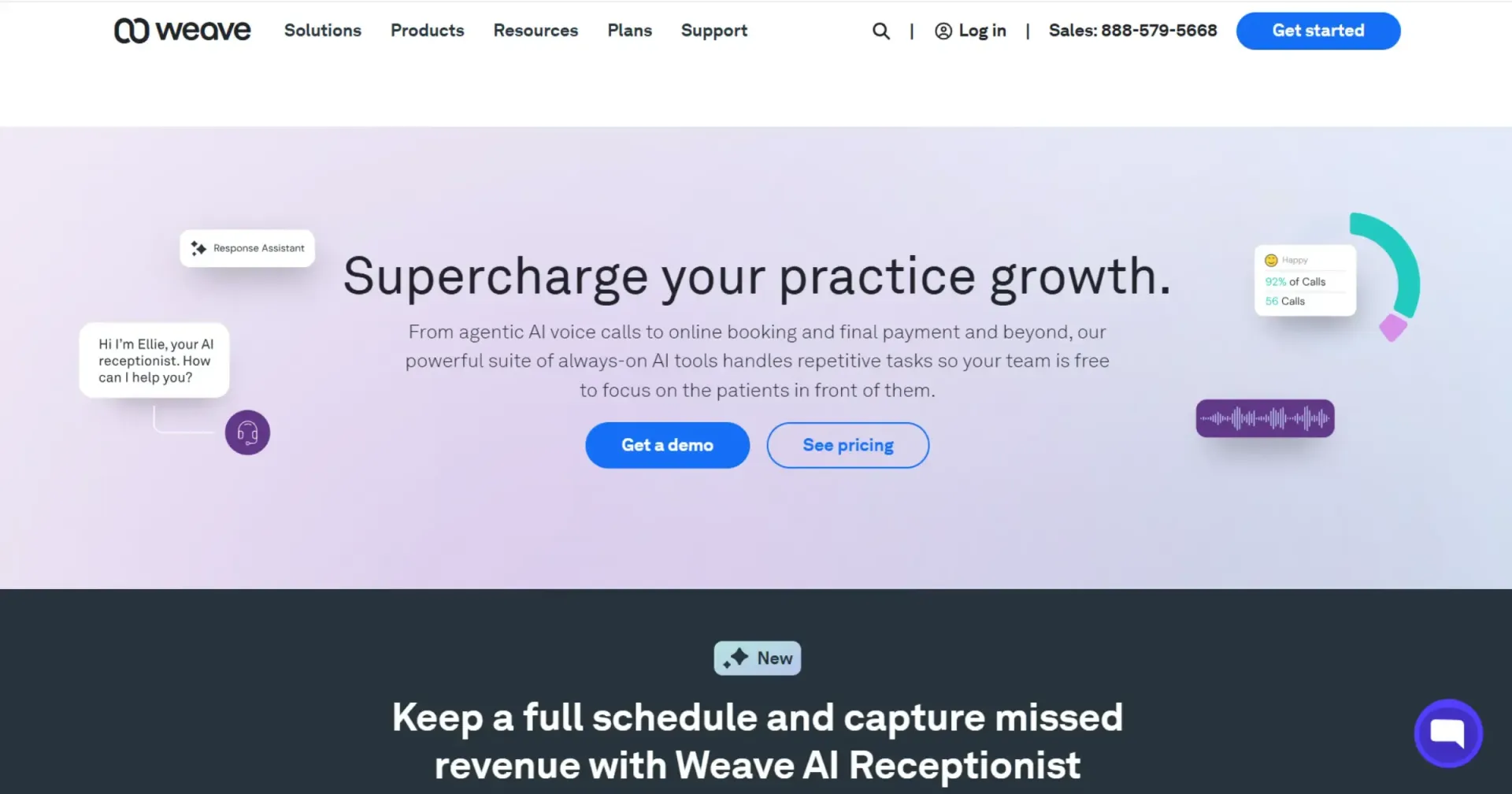
Weave is an all-in-one communication platform built for small offices and health practices. It combines phones, texting, booking, payments, and reviews with AI support, so calls and messages stay in one place instead of scattered across tools.
Key features
- AI receptionist that answers or makes calls, books appointments, and takes payments
- Two-way texting, missed-call texts, and automated reminders
- Online scheduling with real-time calendar sync
- Review requests, digital forms, and call intelligence with transcriptions
- Softphones and patient info pop-ups on incoming calls
Pros
- Everything runs from one platform
- Strong focus on reducing manual tasks and growing reviews
- Works for both single and multi-location practices
Cons
- Full feature set may require choosing higher-tier plans
Integrations: Connects with leading practice management systems used in medical and dental offices.
Best suited for: Medical and dental practices looking for phones, texting, booking, and reputation tools in a single system.
3. Spruce Health

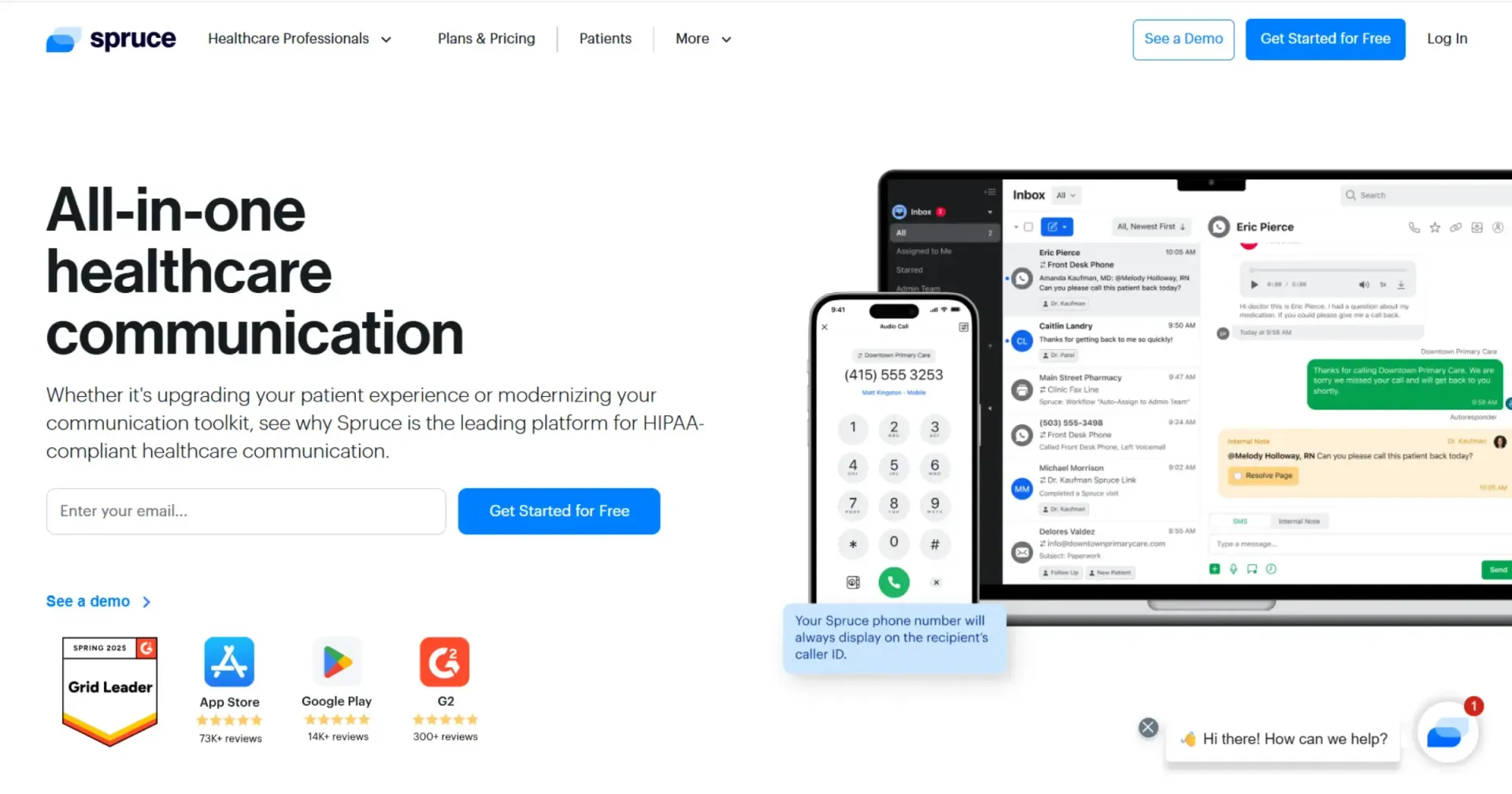
Spruce Health is a HIPAA-compliant platform that brings phone, text, video, e-fax, and secure messaging together for clinics. Thousands of health workers already rely on it as a single hub for patient communication.
Key features
- Secure messaging with files, audio notes, and team collaboration
- Professional phone lines with two-way SMS and voicemail transcription
- Video visits and clinical questionnaires
- Digital payments and e-fax
- Shared team inbox, internal notes, and workflow automation
Pros
- No strict usage limits on most features
- Strong security with a signed BAA
Cons
- Outbound SMS requires a one-time registration process
Integrations: Focuses primarily on internal team and patient tools; specific EHR details are typically handled during setup.
Best suited for: Solo providers and small-to-midsize teams in primary care, mental health, and other specialties that need multi-channel secure communication.
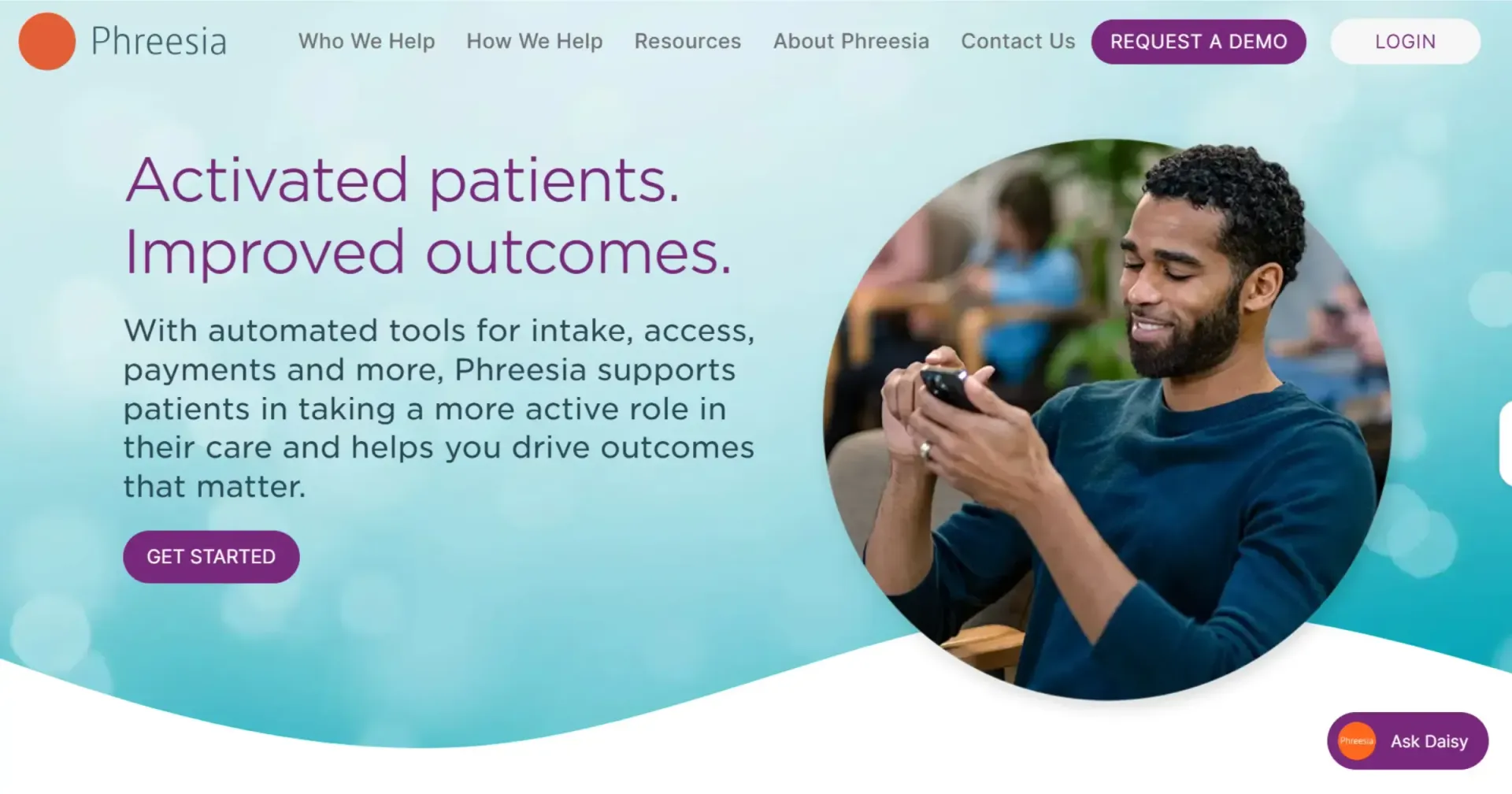
4. Phreesia

Phreesia focuses on patient check-in and engagement, covering the entire visit from booking through aftercare. It's used by thousands of health groups looking to keep patients engaged at every step.
Key features
- Online scheduling and automated reminders (text, email, voice)
- Digital intake and check-in on mobile or in-office devices
- Two-way texting and after-hours messaging
- Payment collection, satisfaction surveys, and health campaigns
- Analytics on open rates and patient interactions
Pros
- High rates of patient self-check-in
- Strong reduction in no-shows with reminders
- Broad support across many specialties and health systems
Cons
- Best results depend on full workflow adoption
Integrations: Bidirectional connections with practice management and EHR systems using open standards such as HL7 and FHIR.
Best suited for: Health systems, multi-specialty groups, and practices that want end-to-end patient engagement and intake automation.
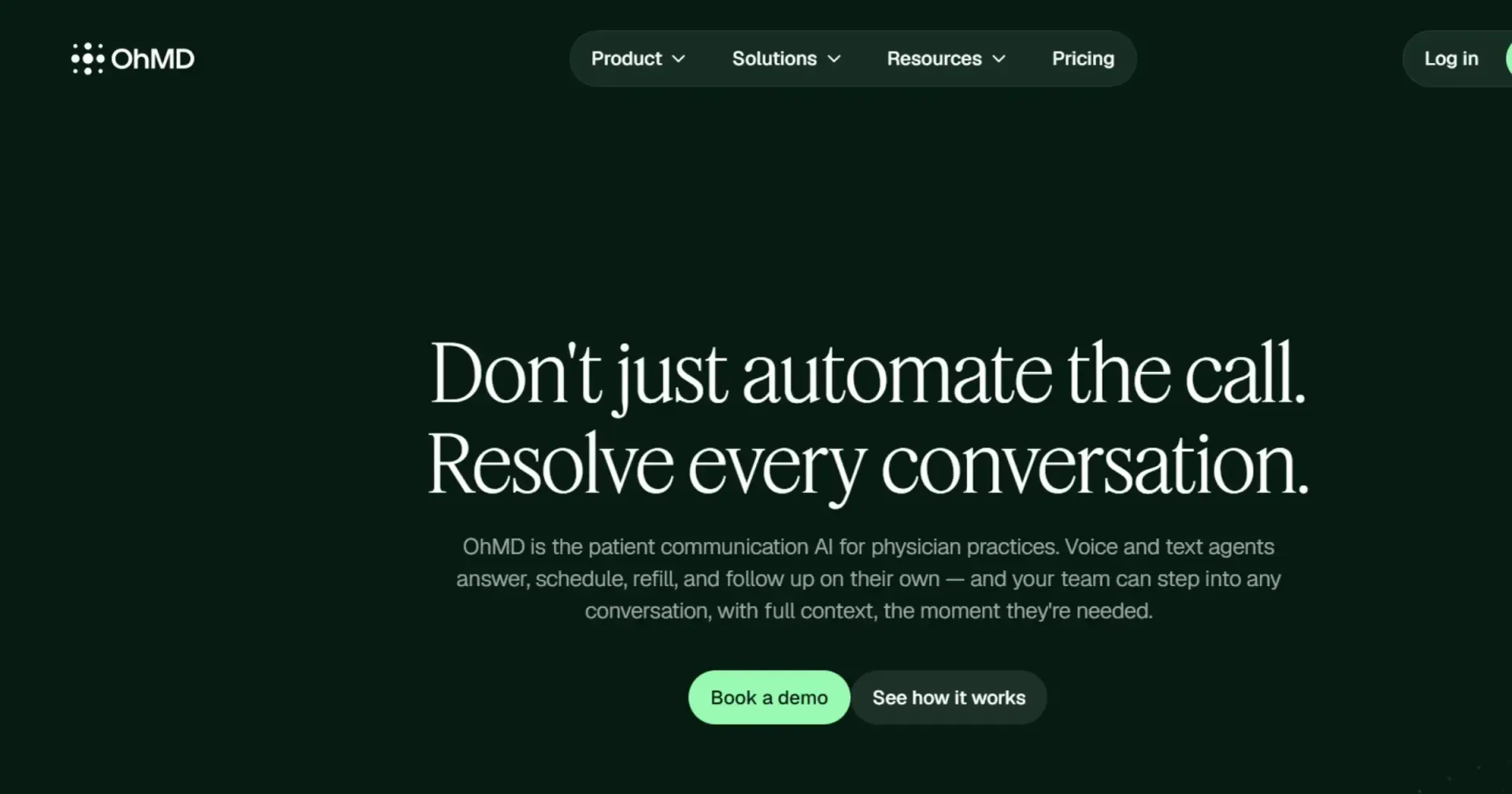
5. OhMD

OhMD uses AI to help offices manage high call volumes, answering routine questions by voice or text so staff can focus on more complex conversations.
Key features
- AI voice agents for scheduling, refills, and basic questions
- Secure two-way texting and call-to-text deflection
- Patient self-scheduling and automated reminders
- Single inbox for text, chat, and calls
- Web chat and conversation routing to the right staff member
Pros
- Significant drop in staff-handled calls
- High patient response rates to text
- Works without requiring patients to download an app
Cons
- Full AI benefits depend on proper setup
Integrations: Connects with more than 85 EHR and practice management systems.
Best suited for: Physician practices with heavy inbound call volume that want AI to handle routine conversations.
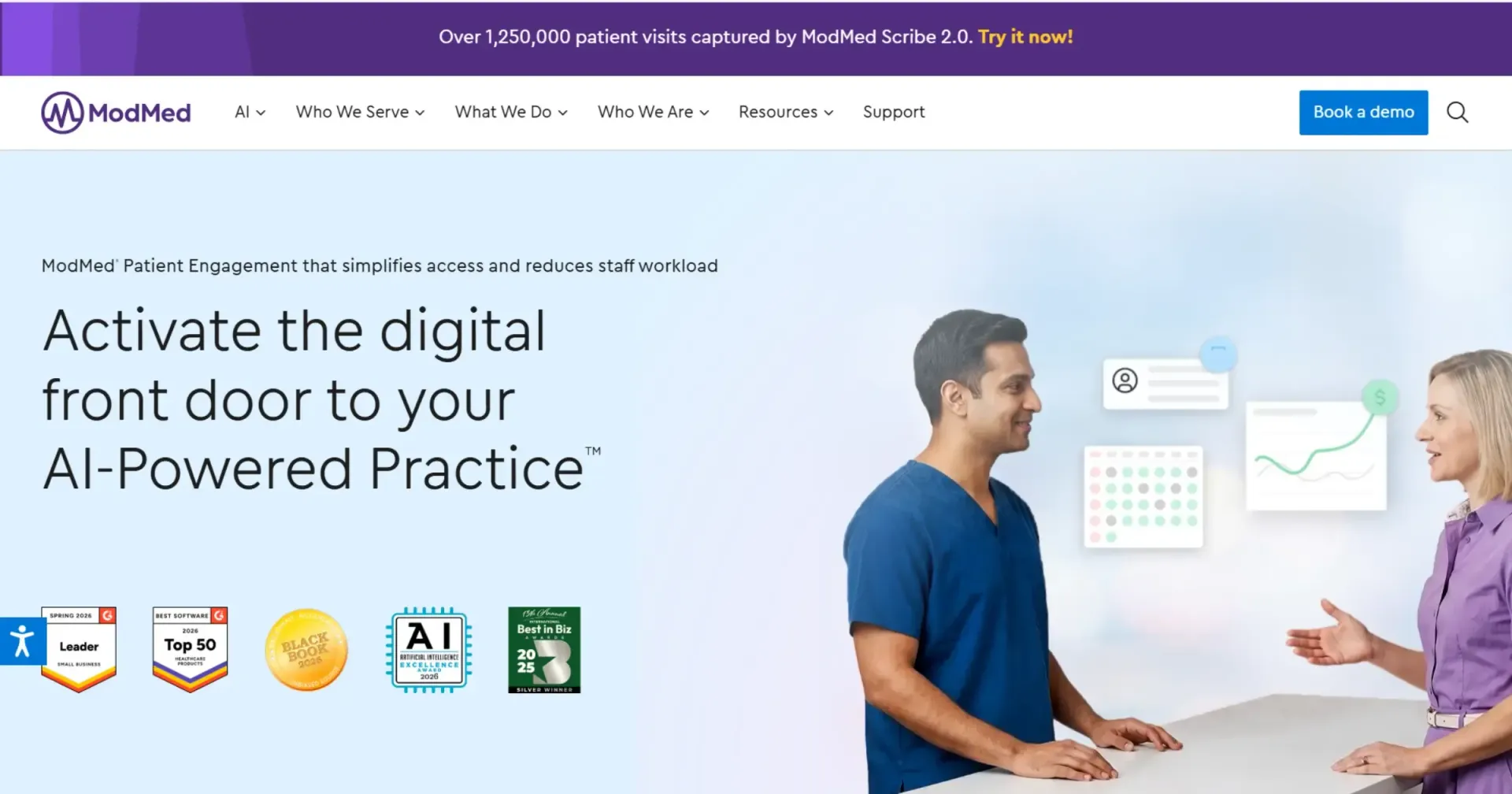
6. Klara (now powering ModMed Patient Engagement)

Klara is a text-based communication tool that requires no app download. It handles messaging, booking, and intake, and patients can simply reply to a normal text message.
Key features
- Call-to-text conversion and two-way messaging
- Online scheduling and digital patient intake
- Automated appointment reminders and post-visit surveys
- eStatements and payment links
- AI-supported recalls and retention outreach
Pros
- Reaches a high percentage of patients via text
- Reduces phone tag and manual work
- Smooth data flow when used with compatible systems
Cons
- Strongest performance comes within the ModMed ecosystem
- Some advanced features are tied to the broader platform
Integrations: Deep integration with ModMed EHR and practice management; supports other systems through standard connections.
Best suited for: Practices that want simple, text-first communication and digital intake, especially those already using or considering ModMed tools.
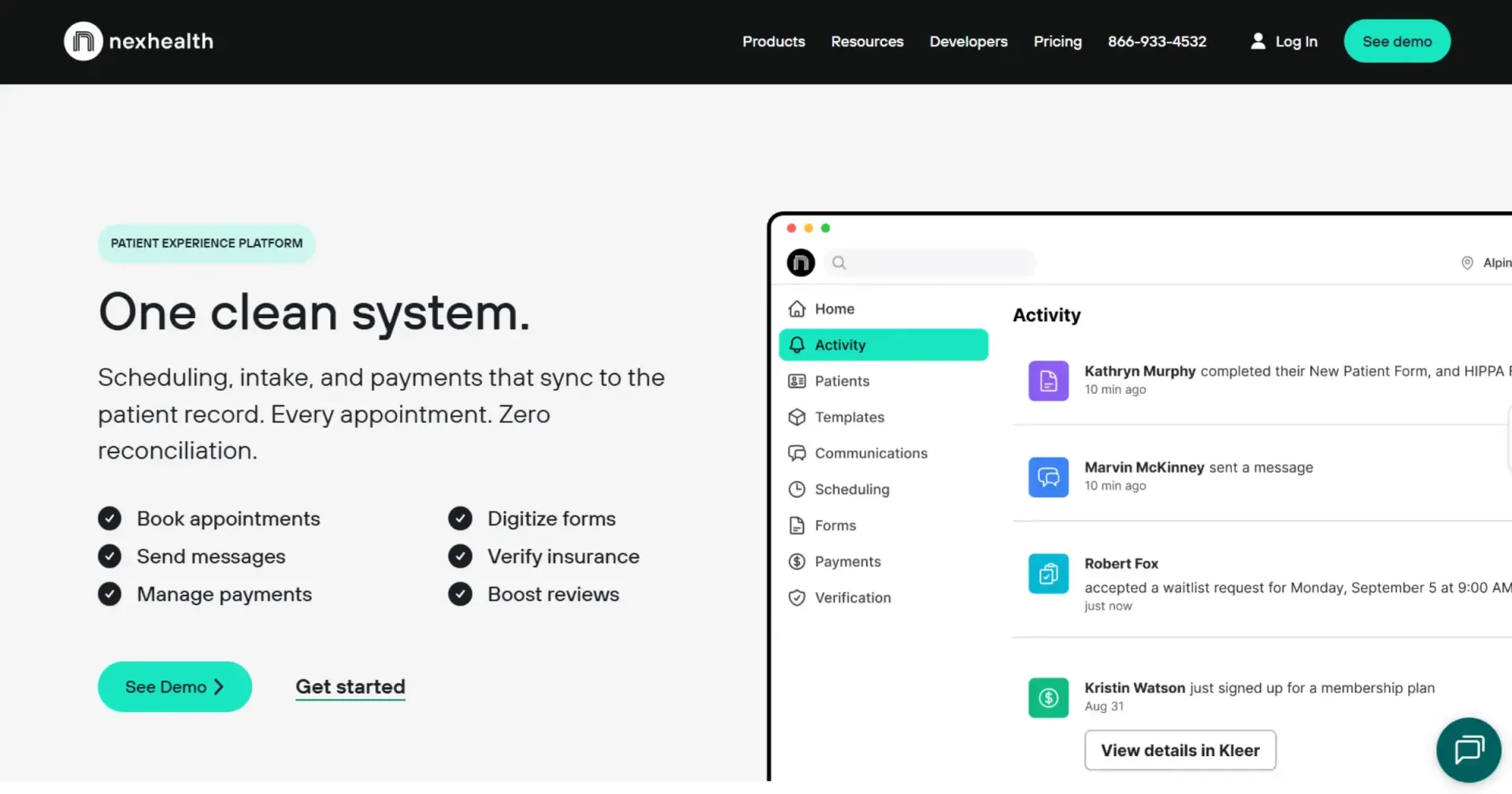
7. NexHealth

NexHealth handles front desk tasks for medical and dental offices, covering booking, forms, messaging, and payments while linking up with existing record systems.
Key features
- Two-way text and email messaging from one inbox
- Automated reminders, recalls, and post-visit instructions
- Campaigns targeted by patient criteria
- Review requests and 1-click booking links
- Real-time sync with practice systems
Pros
- Works with a very wide range of EHRs and practice management software
- No long-term contracts required
- High automation of routine messages and forms
Cons
- Full value appears when multiple modules are used together
Integrations: Extensive list of medical and dental systems including Dentrix, Open Dental, athenahealth, Epic, eClinicalWorks, and many others.
Best suited for: Medical and dental practices that want strong automation of reminders, messaging, and front-office tasks with reliable EHR sync.
How to Choose Patient Communication Software
Start with your biggest pain point, whether that's too many calls, frequent no-shows, or slow response times. From there, check whether the platform fits your current EHR or office systems, and prioritize the communication channels you need most, such as text, voice AI, video, or traditional phone lines.
Ease of use matters just as much as features: texting that doesn't require an app download tends to work best for both staff and patients. Confirm the platform meets your security and HIPAA requirements, and ask for a demo to understand setup time and ongoing support. The right patient communication software is the one that fits your office's size, specialty, and daily routine, not just the one with the longest feature list.
Conclusion
Good patient communication software in 2026 keeps offices responsive without wearing down the staff. SimpleChime and OhMD stand out for cutting call volume with AI. Weave and NexHealth offer broad toolsets that many medical and dental practices rely on. Spruce provides secure, multi-channel communication, Phreesia covers the entire patient journey, and Klara keeps things simple with a text-first approach.
The best move is to match a platform to your specific systems and pain points, then try it out in real use. The right choice makes everyday communication smoother for your team and your patients.
Ready to improve patient communication? Schedule a free demo with
SimpleChime and see how it can help your practice reduce missed calls, automate routine tasks, and deliver a better patient experience.