What Patients Actually Want From Their Healthcare Experience
This is a subtitle for your new post

Patients want five things from their healthcare experience: to be heard, to reach the practice easily, to book on their own schedule, to understand their care in plain language, and to get answers without chasing them down. Staff matters too, but they usually come from getting these five right.
Patient experience isn't one big thing. It's a string of small interactions a phone call, a text, a five-minute conversation in an exam room that add up to whether someone trusts your practice or starts looking for another one. Most of those moments happen outside the exam room entirely, which is exactly why they're easy for practices to overlook.
What Is Patient Experience?

Patient experience
is whether patients felt informed, respected, and able to get what they needed without extra effort. It covers the entire relationship, not just the exam room: the first phone call, the appointment reminder, the visit itself, and the follow-up after.
Many practices measure it through the CG-CAHPS survey (Clinician & Group Consumer Assessment of Healthcare Providers and Systems), which is built for physician offices and outpatient clinics, or through simple post-visit surveys like Net Promoter Score (NPS). Those numbers are useful for tracking trends and benchmarking, but they're often collected days or weeks after the visit and rarely capture what patients actually noticed in the moment. A patient who waited on hold for ten minutes doesn't remember that as a data point. They remember it as a reason to think twice before calling again.
What Patients Actually Want

- To feel heard, not processed. A rushed visit or an unanswered question does more damage to trust than a long wait time does, because it tells the patient their concern didn't register. We've broken this down further in what patient-centered communication looks like.
- Access without a runaround. No long hold times, no phone tree that never seems to reach a person, a callback that actually comes soon rather than "sometime today."
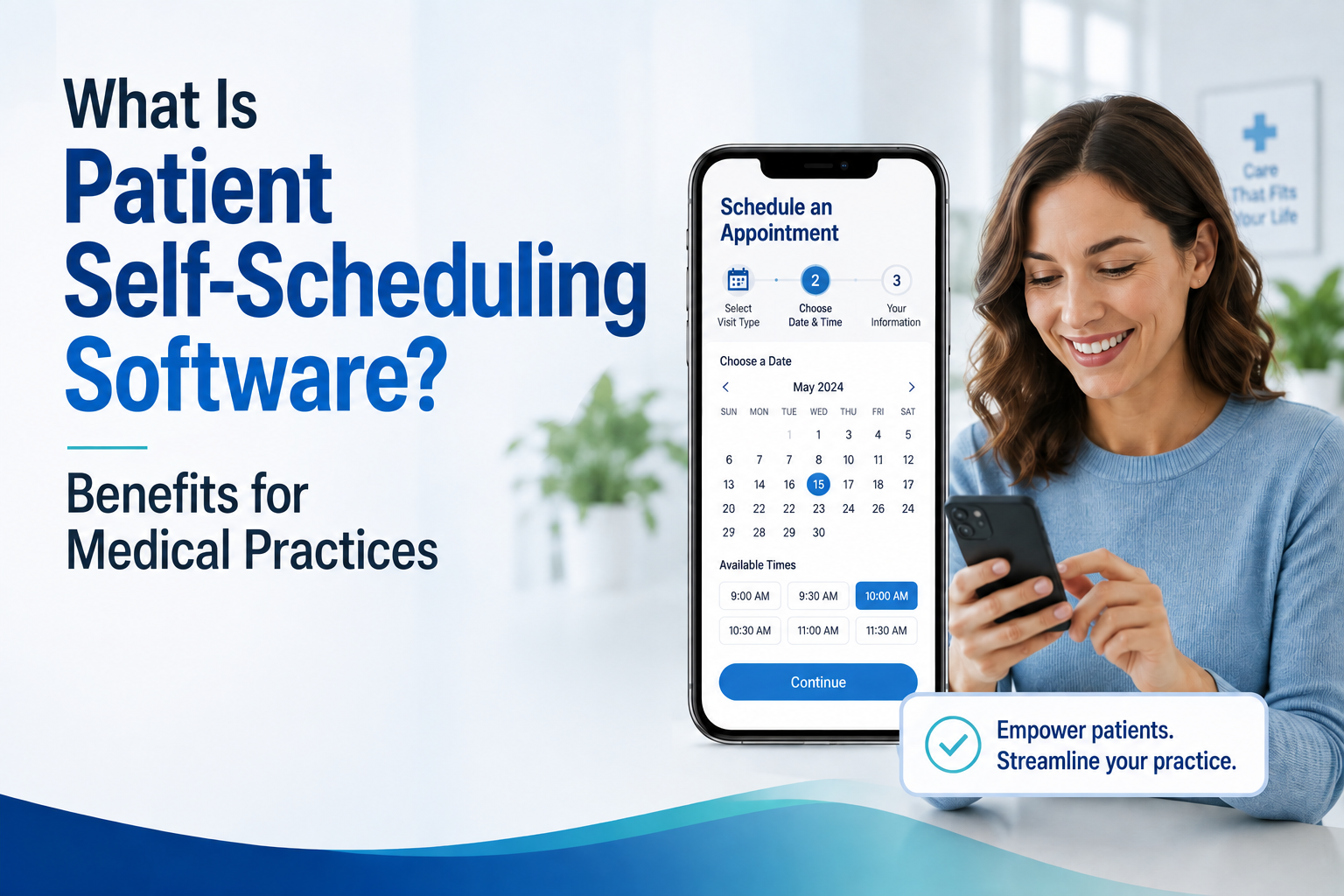
- The option to book on their own time. According to a 2024 InteliChart survey, 80% of patients said they prefer a physician who offers online scheduling. Not every patient wants to call during business hours, and increasingly, fewer of them want to.
- Plain language, not medical shorthand. Aftercare instructions and diagnoses explained the way they'd explain them to a friend, not copied from a chart note.
- Follow-up before they have to ask. Test results and next steps sent to them, not something they have to call and chase down a week later.
Why It Matters
A Smart Communications survey found that 69% of healthcare consumers now say they'll switch providers if communication doesn't meet their expectations, up from 51% just two years earlier. That's a fast shift, and it's a retention number, not a satisfaction score. A patient who can't get a straight answer or a timely reminder isn't just having a bad day. They're deciding whether to come back next time, and increasingly, they're deciding not to.
For a practice, that shows up as quieter things than complaints: a patient who doesn't reschedule, a referral that never happens, a review left unwritten because there was nothing memorable enough, good or bad, to write about.
What a Positive Patient Experience Looks Like
| Moment | What patients want |
|---|---|
| Before the visit | A reminder text they can reply to, to confirm or reschedule |
| During the visit | A provider who explains things in plain language and answers questions without rushing |
| After the visit | Clear instructions, not a printout full of jargon |
| Ongoing | Test results and follow-up without having to call and ask |
None of this needs a bigger staff. It needs communication that shows up on time and in a format the patient can actually use.
How to Improve Patient Experience Without Adding More Work
Send the message through the channel that fits it, instead of doing more of everything:
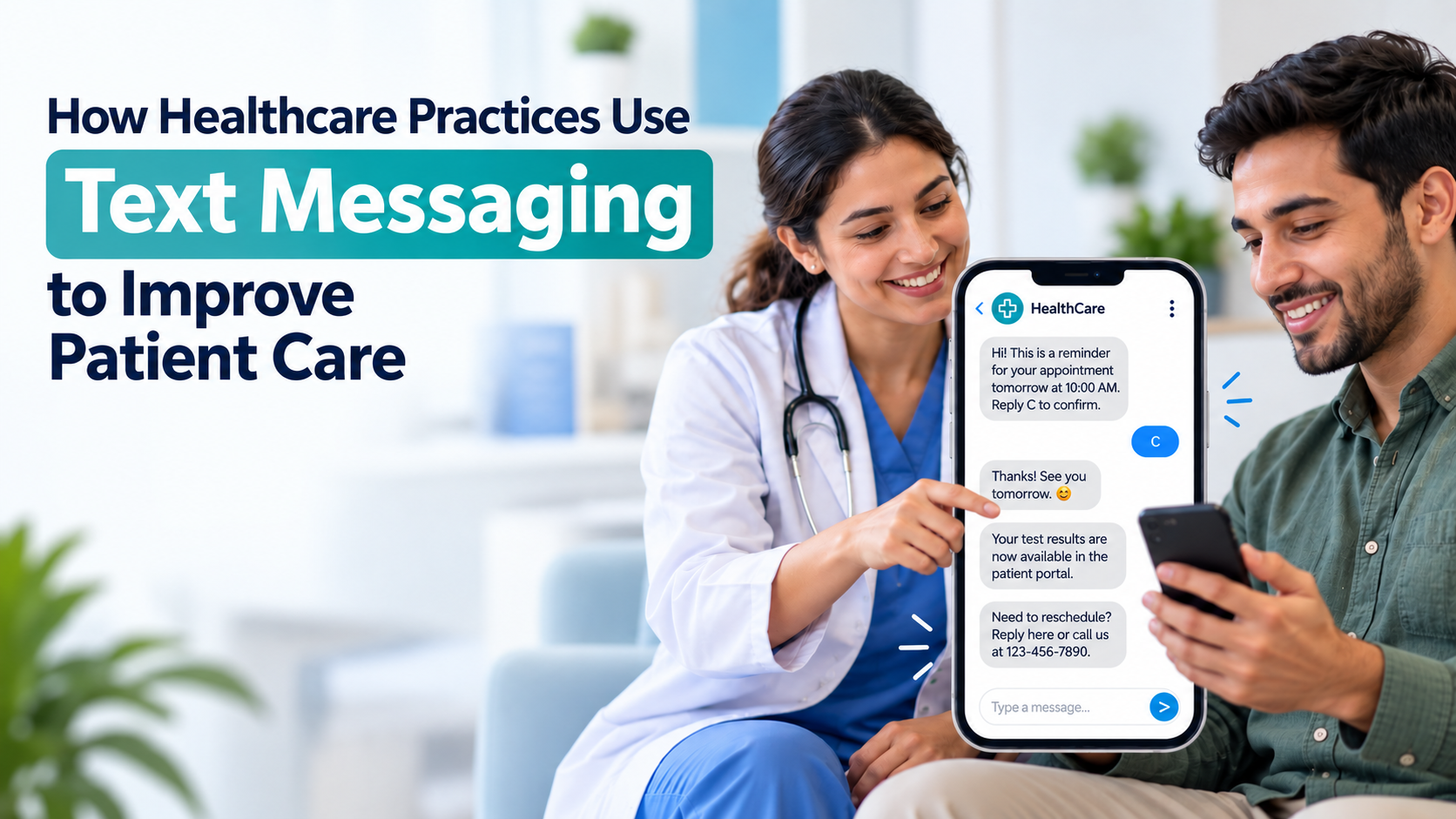
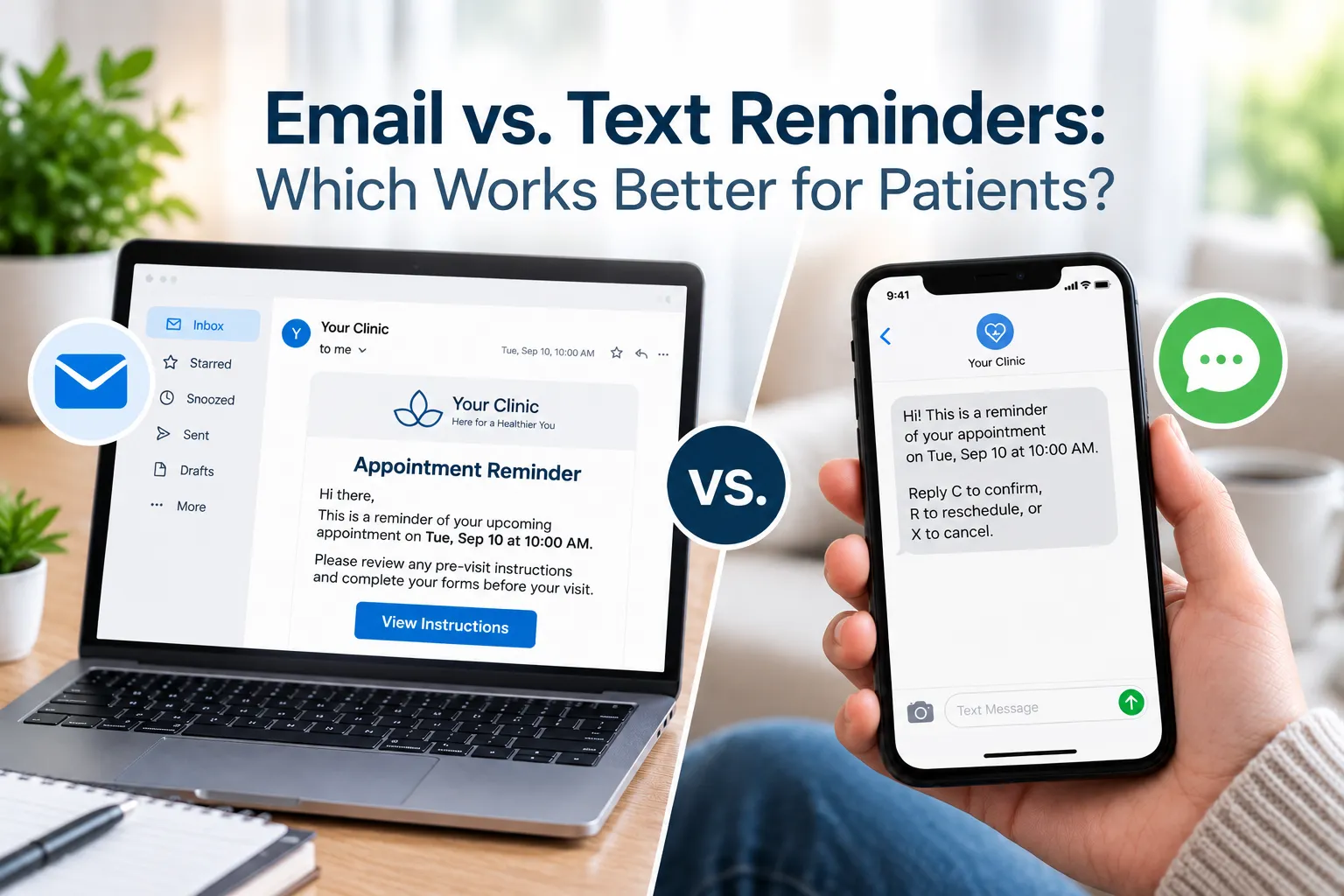
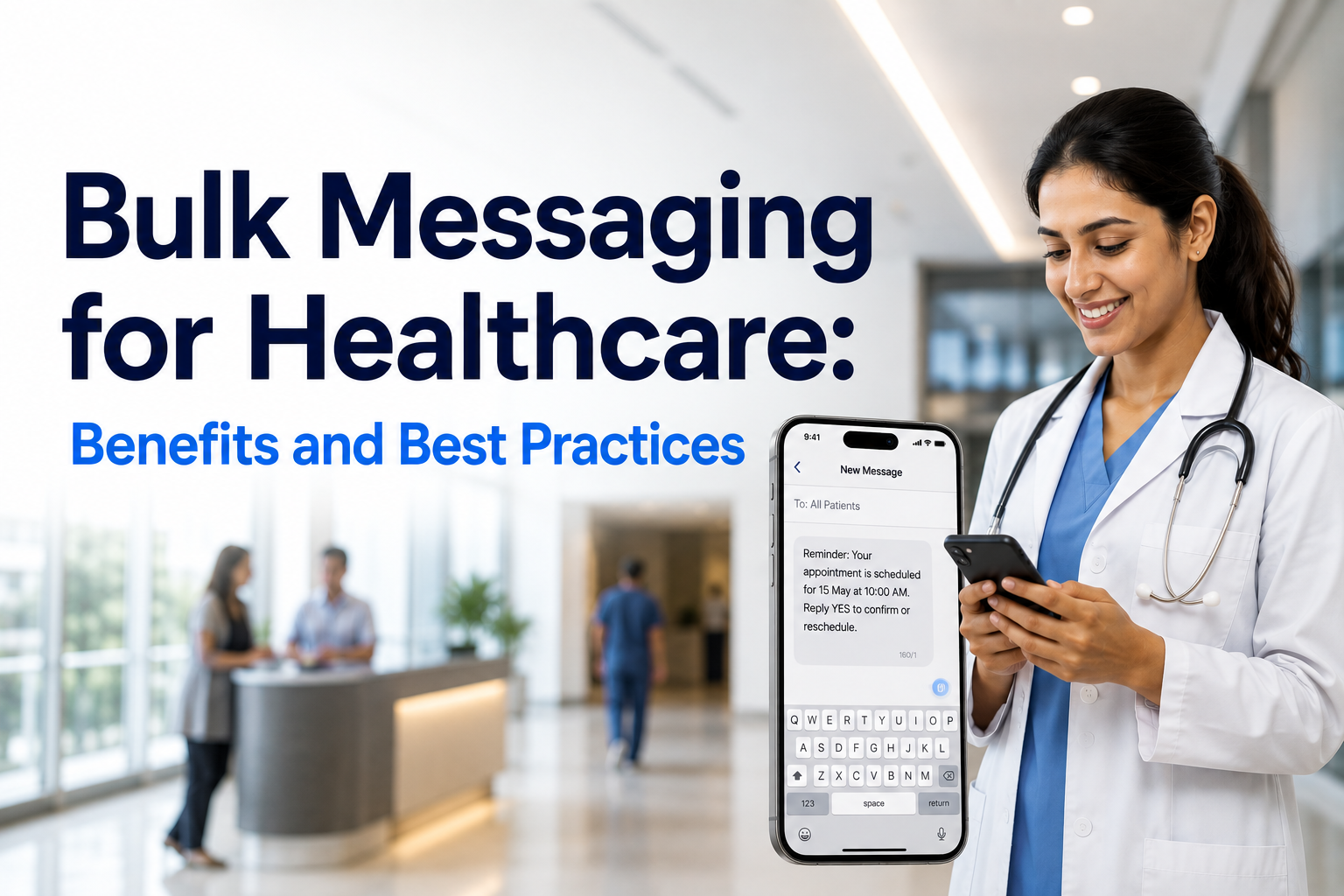
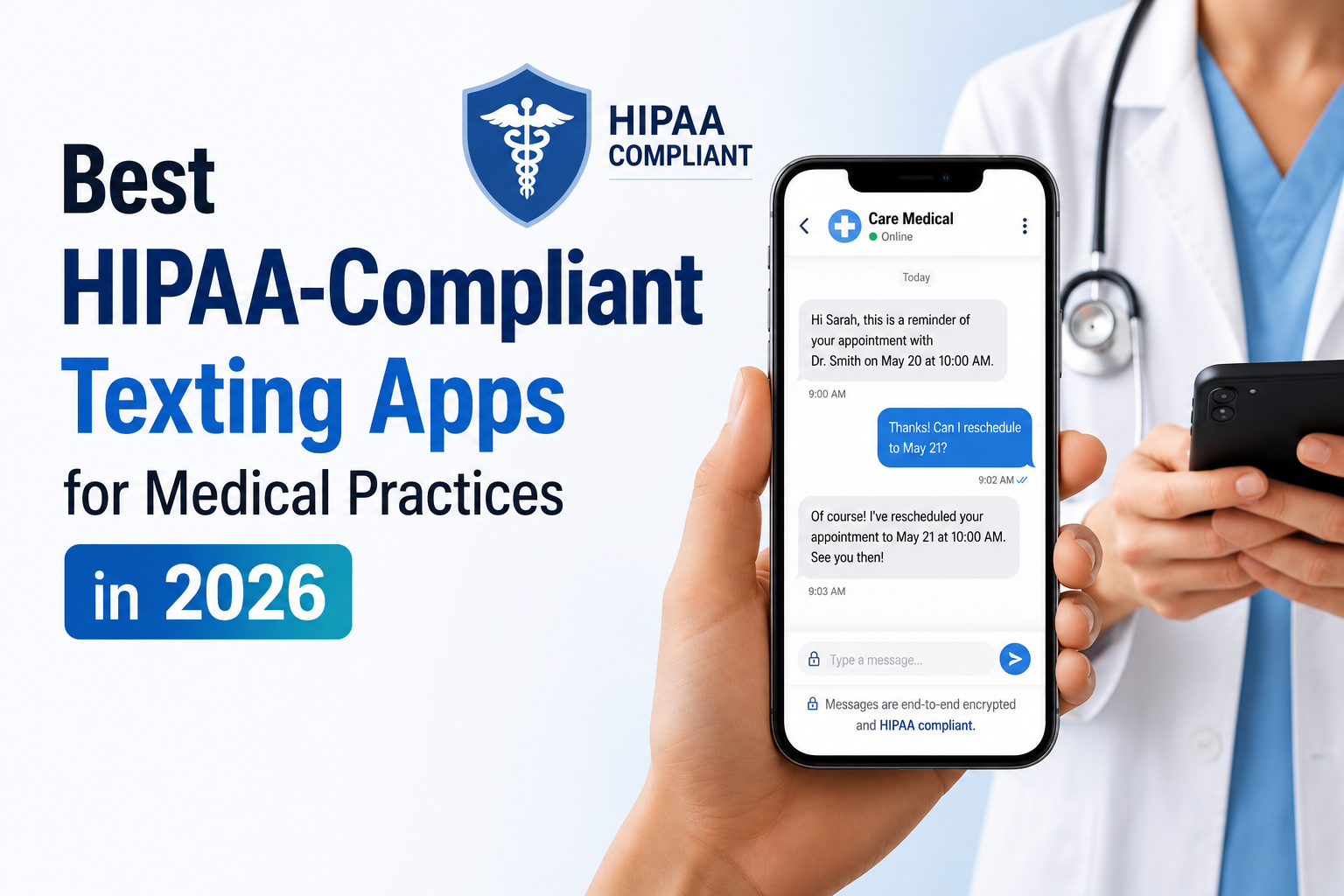
- Text for quick logistics: confirmations, reminders, reschedules. Patients tend to reply to these faster than they'll pick up a call from an unknown number.
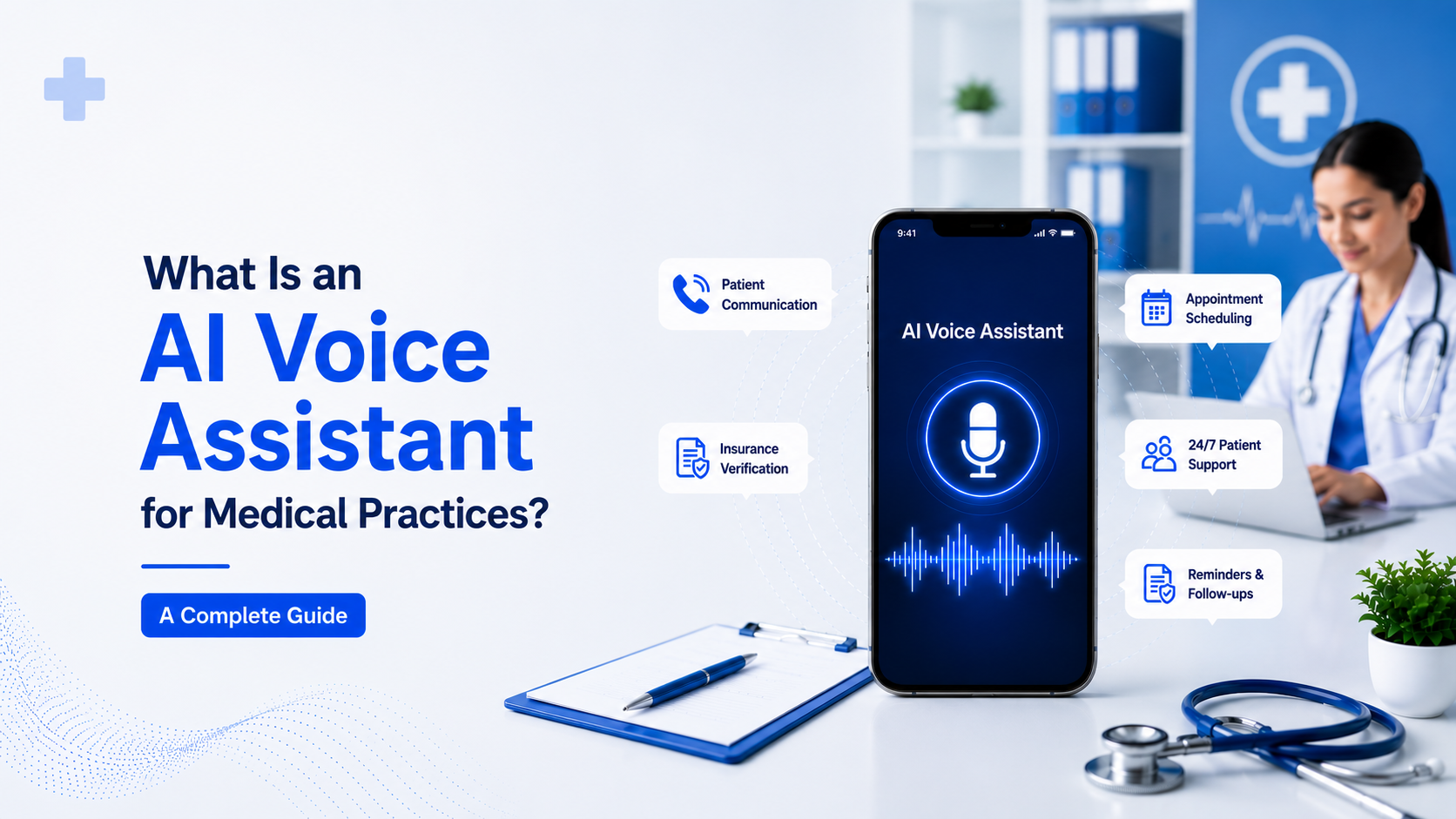
- Phone, including an AI voice assistant for after-hours or overflow calls, for anything a patient needs to talk through rather than read.
- Email for detailed instructions patients need to reference later, like pre-visit prep or discharge paperwork, where having something to reread matters more than speed.
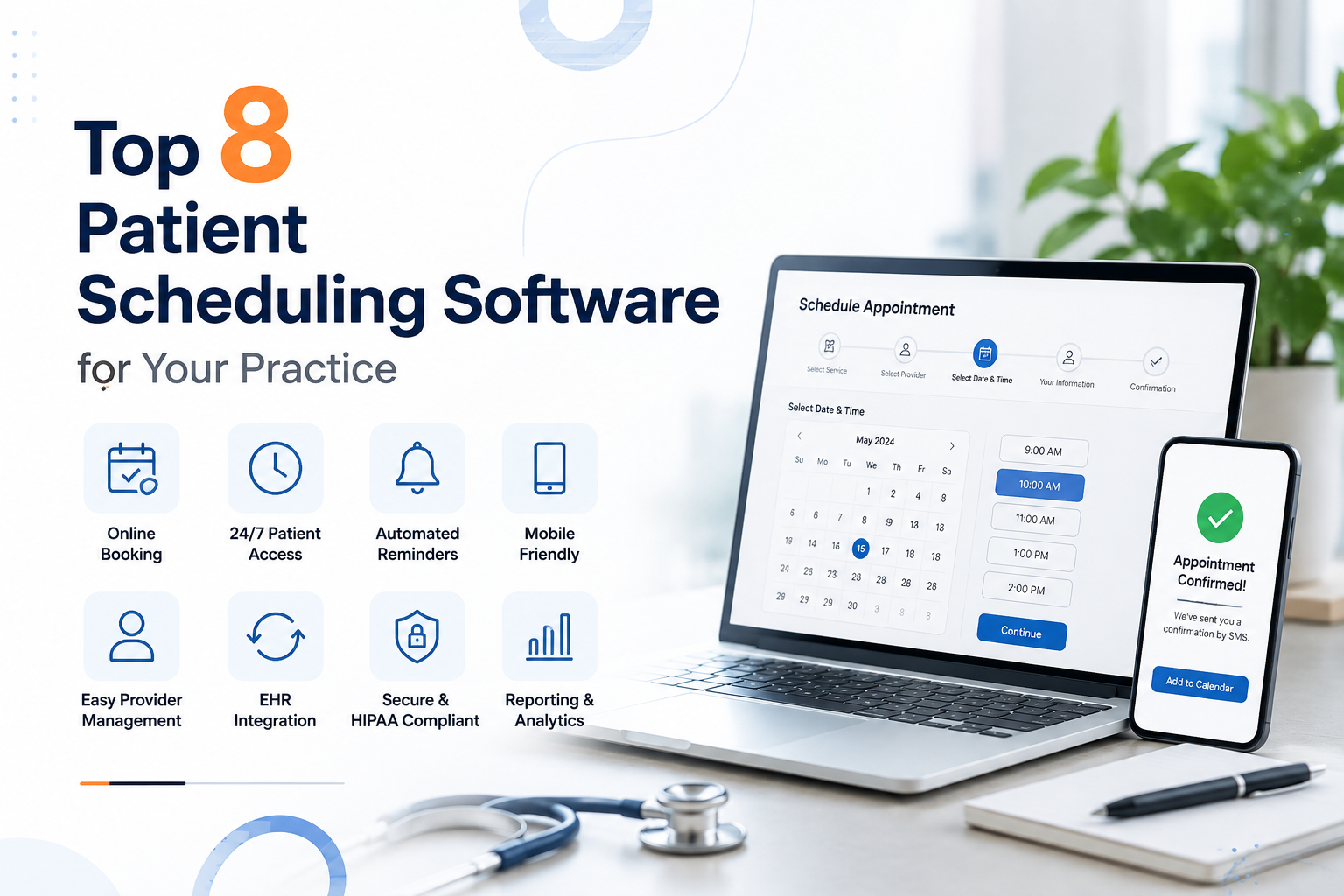
- Online self-scheduling for patients who'd rather book at 9 p.m. than call during business hours and wait on hold.
No one channel does everything, and treating one as the "main" way to reach patients usually means the other channels get treated as an afterthought. Patients notice when a practice picks the right one for the moment, rather than making every message fit whatever channel is easiest for the practice.
Conclusion
Patients aren't asking for much: to be heard, to have access that fits their schedules, and to know what's happening with their care without having to chase it down. Practices that deliver this consistently, in plain language, through the channels patients actually use, keep more of them and spend less time managing the fallout when they don't.
Curious how your practice's communication measures up?
See how SimpleChime helps practices stay connected with patients.
FAQs
Why is patient experience important?
Patient experience directly affects whether patients stay with a practice, refer others, and leave positive reviews. Poor communication is one of the top reasons patients switch providers altogether, and that switch usually happens quietly, without a complaint that ever reaches the practice.
What is a positive patient experience?
A positive patient experience comes down to specific, repeatable things: a timely appointment reminder, clear aftercare instructions, easy access to the practice, and a straight answer from a provider. It's about consistency across every visit, not one memorable gesture.
How can a practice improve patient experience without hiring more staff?
Match the message to the right channel instead of adding people. Automated text reminders, an AI voice assistant for after-hours calls, and online self-scheduling all take work off the patient's plate without piling more onto the front desk.