What Is a Phone System in Healthcare? A Simple Guide

Pras S • July 20, 2026

Share this article

This is a subtitle for your new post

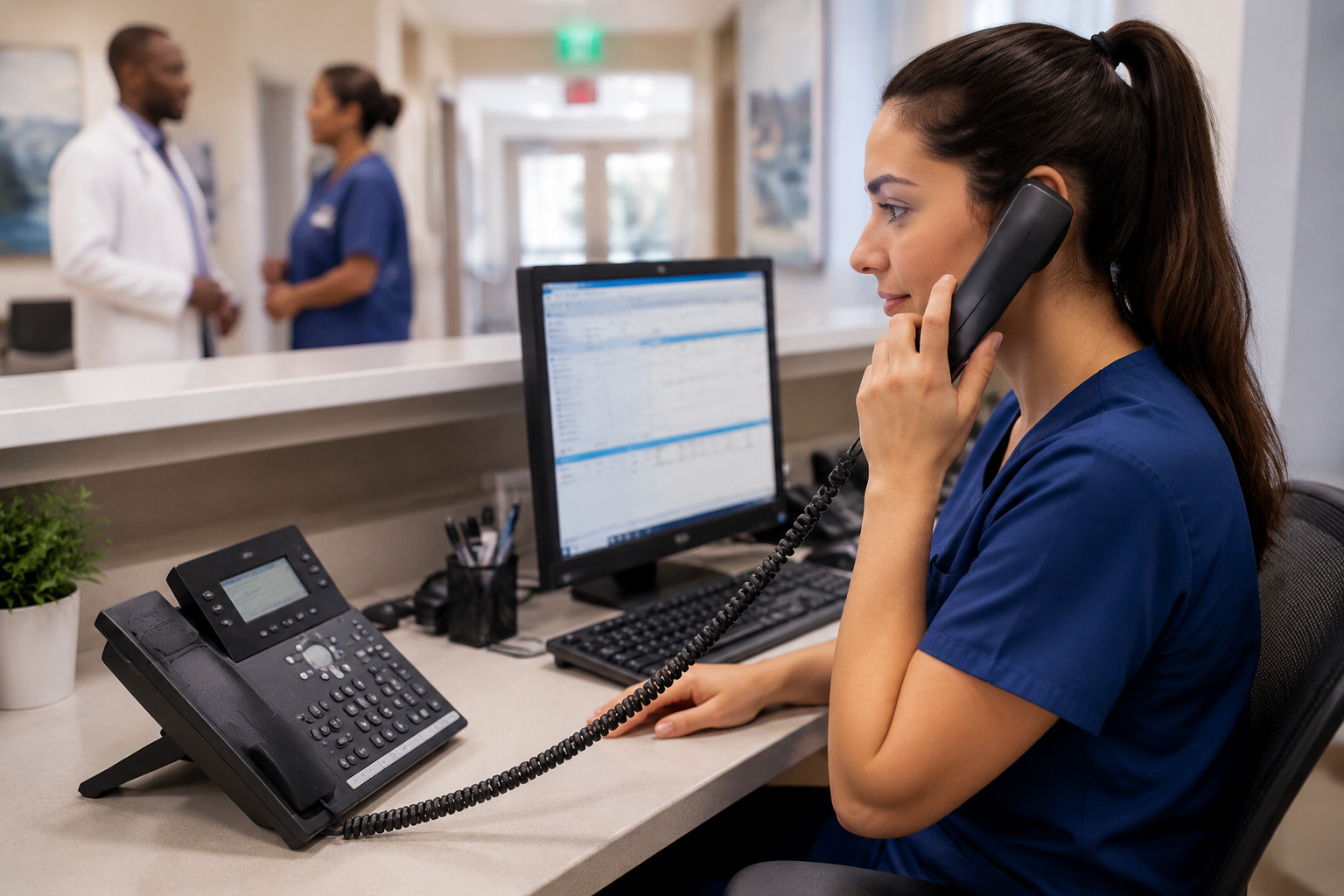
Communication is one of the most important parts of patient care. Every day, healthcare practices receive calls from patients who want to schedule appointments, ask questions, request prescription refills, or get information about their care. If these calls are not managed properly, it can lead to long hold times, missed opportunities, and frustrated patients.


This is where a healthcare phone system becomes essential.


What Is a Phone System in Healthcare?

A phone system in healthcare is a communication solution that helps medical practices manage incoming and outgoing calls more efficiently. It allows clinics, medical offices, and healthcare organizations to handle patient communication in an organized and professional way.


Unlike traditional landline phones, modern healthcare phone systems include features designed specifically for busy medical practices. They help staff answer calls, route patients to the right department, manage voicemail, and improve communication across the organization.


A good phone system ensures that patients can reach your practice when they need assistance and helps staff work more efficiently throughout the day.


Why Is a Healthcare Phone System Important?


Patients expect quick and reliable communication. When someone calls a healthcare provider, they often need immediate information or assistance. Long wait times and unanswered calls can negatively impact the patient experience.


An effective phone system helps healthcare practices:


  • Improve patient communication
  • Reduce missed calls
  • Decrease hold times
  • Support faster appointment scheduling
  • Improve staff productivity
  • Create a more professional patient experience


Good communication builds trust. Patients are more likely to remain loyal to a practice that makes it easy to get information and assistance.

How Does a Healthcare Phone System Work?

A healthcare phone system manages calls through various features and workflows. Instead of every call ringing on a single phone line, calls can be directed intelligently based on the patient's needs.


For example, a patient calling to schedule an appointment may be routed to the scheduling team, while someone needing billing information can be directed to the billing department.


Many systems also provide voicemail options, call forwarding, and automated greetings that help patients reach the right person quickly.


This organized approach reduces confusion and helps practices handle high call volumes more efficiently.


Common Features of Healthcare Phone Systems

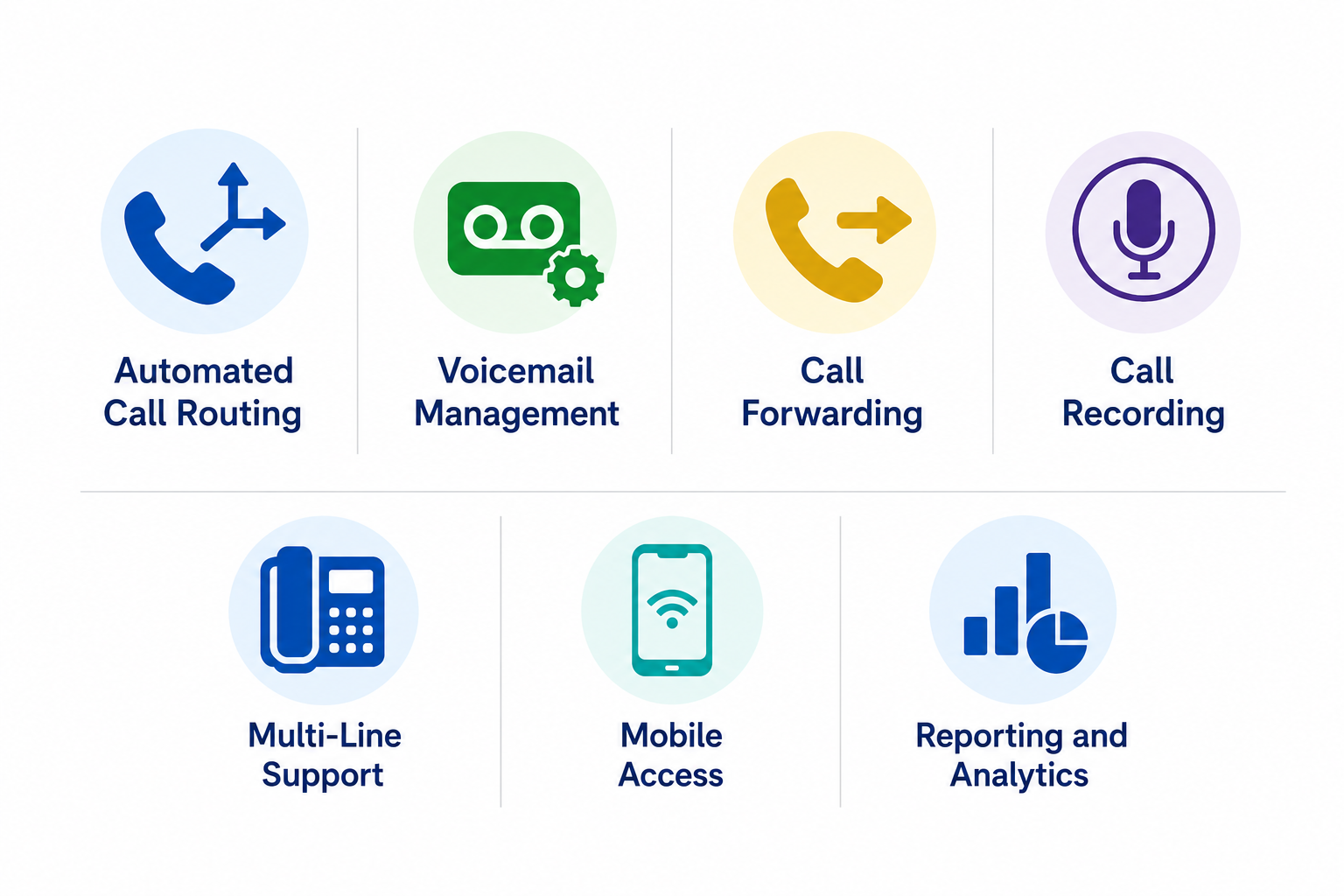
Modern healthcare phone systems offer a variety of features that improve communication and patient service.


Automated Call Routing

Calls are automatically directed to the appropriate department or team member. This reduces transfers and helps patients get assistance faster.


Voicemail Management

Patients can leave messages when staff members are unavailable. Messages can be organized and reviewed efficiently.


Call Forwarding

Calls can be forwarded to another staff member or location when needed, helping practices avoid missed communication opportunities.


Call Recording

Some systems allow practices to record calls for quality assurance and staff training purposes.


Multi-Line Support

Healthcare offices often receive several calls simultaneously. Multi-line capabilities help staff manage high call volumes without busy signals.


Mobile Access

Cloud-based systems may allow staff to answer calls from mobile devices, providing greater flexibility and continuity.


Reporting and Analytics

Phone systems can provide insights into call volumes, missed calls, and response times, helping practices identify opportunities for improvement.

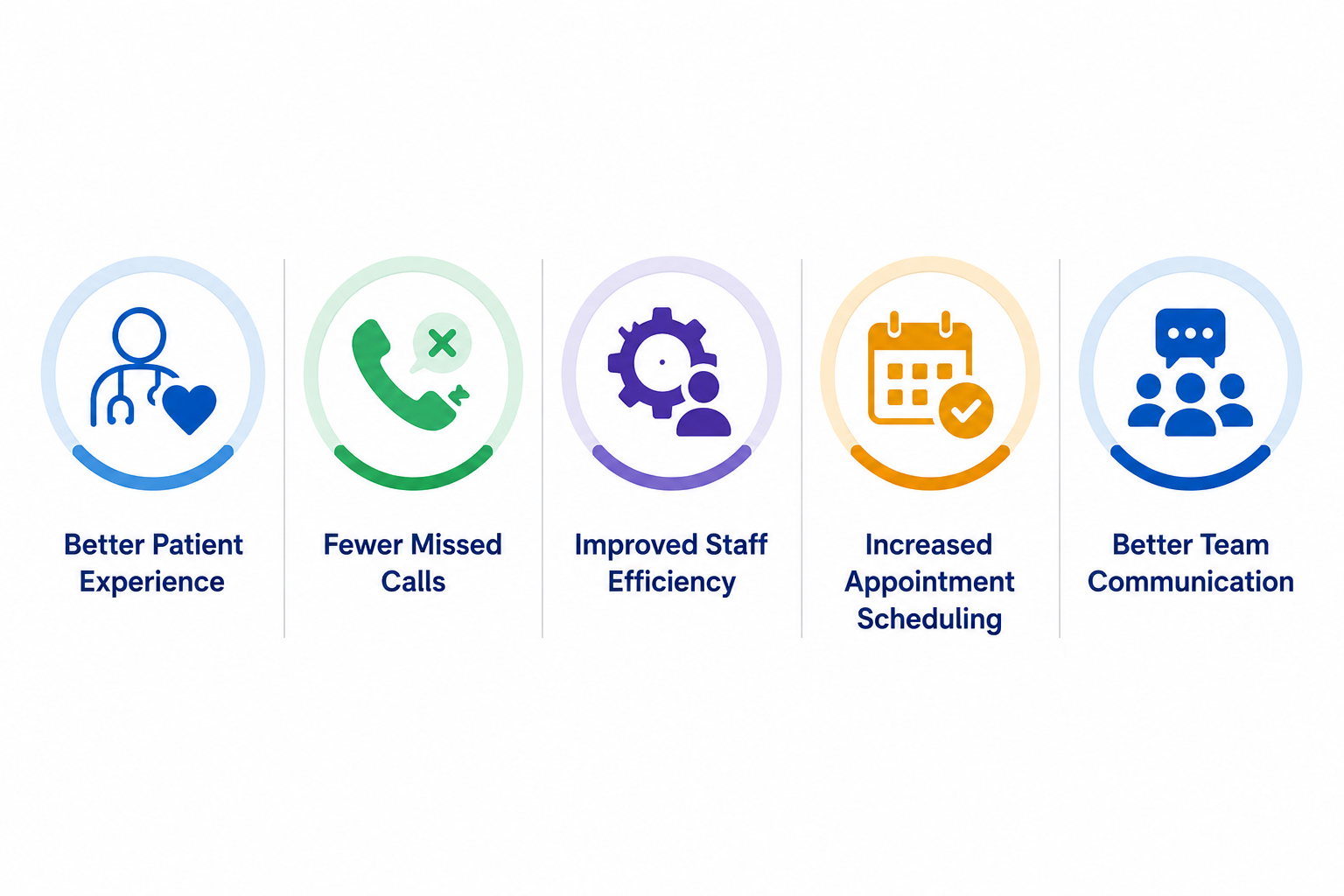
Benefits of a Modern Healthcare Phone System

Better Patient Experience

Patients appreciate quick responses and easy communication. A well-managed phone system helps patients feel supported and valued.


Fewer Missed Calls

Missed calls can lead to lost appointments and patient dissatisfaction. Modern phone systems help practices capture and manage more incoming calls.


Improved Staff Efficiency

When calls are routed properly, staff spend less time transferring calls and searching for information. This allows them to focus on patient care and other important responsibilities.


Increased Appointment Scheduling

Making it easier for patients to contact your practice can lead to more completed appointments and fewer scheduling frustrations.


Better Team Communication

Phone systems can improve communication between departments and staff members, creating smoother workflows throughout the practice.


Challenges of Traditional Phone Systems


Many healthcare organizations still rely on outdated phone systems that were not designed for today's patient expectations.


Common challenges include:


  • Long hold times
  • Busy signals during peak hours
  • Missed calls
  • Limited call routing options
  • Difficulty managing high call volumes
  • Lack of reporting and performance data


These issues can negatively affect patient satisfaction and place additional stress on front desk teams.


Cloud-Based Phone Systems for Healthcare


Many healthcare practices are moving toward cloud-based phone systems. These solutions operate through the internet rather than traditional phone lines and offer greater flexibility and scalability.

Cloud-based systems can be especially useful for practices with multiple locations or remote staff members. They often provide advanced communication features while reducing the need for expensive hardware and maintenance.


Because patient expectations continue to evolve, cloud-based communication solutions help practices stay responsive and adaptable.


Choosing the Right Healthcare Phone System


Every healthcare organization has unique communication needs. When evaluating a phone system, practices should consider:


  • Ease of use
  • Call management capabilities
  • Ability to handle high call volumes
  • Mobile accessibility
  • Reporting features
  • Scalability for future growth
  • Integration with existing workflows


The right solution should make communication easier for both patients and staff while supporting efficient daily operations.


Final Thoughts


A healthcare phone system is much more than a way to answer calls. It is an important part of the patient experience and plays a significant role in operational efficiency.


Modern healthcare practices need communication systems that help them respond quickly, reduce missed calls, and provide patients with a smoother experience. By implementing the right phone system, healthcare organizations can improve communication, support their staff, and build stronger relationships with the patients they serve.


Ready to improve your practice's communication? Discover how SimpleChime can help your healthcare organization deliver better patient experiences and never miss important conversations. 

Recent Posts

best strategies for increasing healthcare practice reviews
By Pras S July 16, 2026
Learn the best strategies for increasing healthcare practice reviews in 2026. Get more Google reviews, build trust, improve local SEO, and grow your practice.
two-way texting in healthcare
By Pras S July 15, 2026
Learn what two-way texting in healthcare is, how it works, its benefits, common uses, and why it helps improve patient communication and reduce missed visits.
two-way texting
By Pras S July 8, 2026
Discover 10 ways two-way texting improves patient satisfaction by simplifying communication, reducing no-shows, and creating better healthcare experiences.
UCaaS and CCaaS
By Pras S June 17, 2026
Learn why UCaaS and CCaaS are converging in SMB healthcare and improving patient access, scheduling, and communication.