



How Healthcare Practices Use Text Messaging to Improve Patient Care
Patients already text their friends, their kids' schools, and their delivery drivers. Healthcare is one of the last places still asking them to call or check an email inbox. That's changing. Text messaging in healthcare is now a normal way for practices to reach patients, confirm visits, and stay in touch between appointments.
This isn't about dropping the phone. It's about giving practices a fast, secure way to handle the small stuff by text, so calls stay open for the things that really need a conversation.
Why More Practices Are Using Text Messaging

A few things are pushing practices toward texting:
- Secure texting platforms now let practices send real patient messages without putting protected health information at risk.
- Front desks are busier than ever, and every call that could have been a text is a call pulling staff away from the patient standing in front of them.
- Patients simply expect it. Most people already handle everyday errands by text, and they want the same option from their doctor's office.
This is why
medical text messaging has gone from something only a few practices tried to something patients now expect.
How Is Text Messaging Changing Patient Care?

Text messaging speeds up the small moments between a patient and a practice. Instead of waiting on hold or checking an inbox, a patient can send a quick message and hear back in minutes. Here's where that shows up most.
Faster Answers to Simple Questions
Not every question needs a phone call. A refill request, a question about a test result, or an address update can all be handled by text in seconds. Patients get answers faster, and staff can handle several of these at once instead of one call at a time.
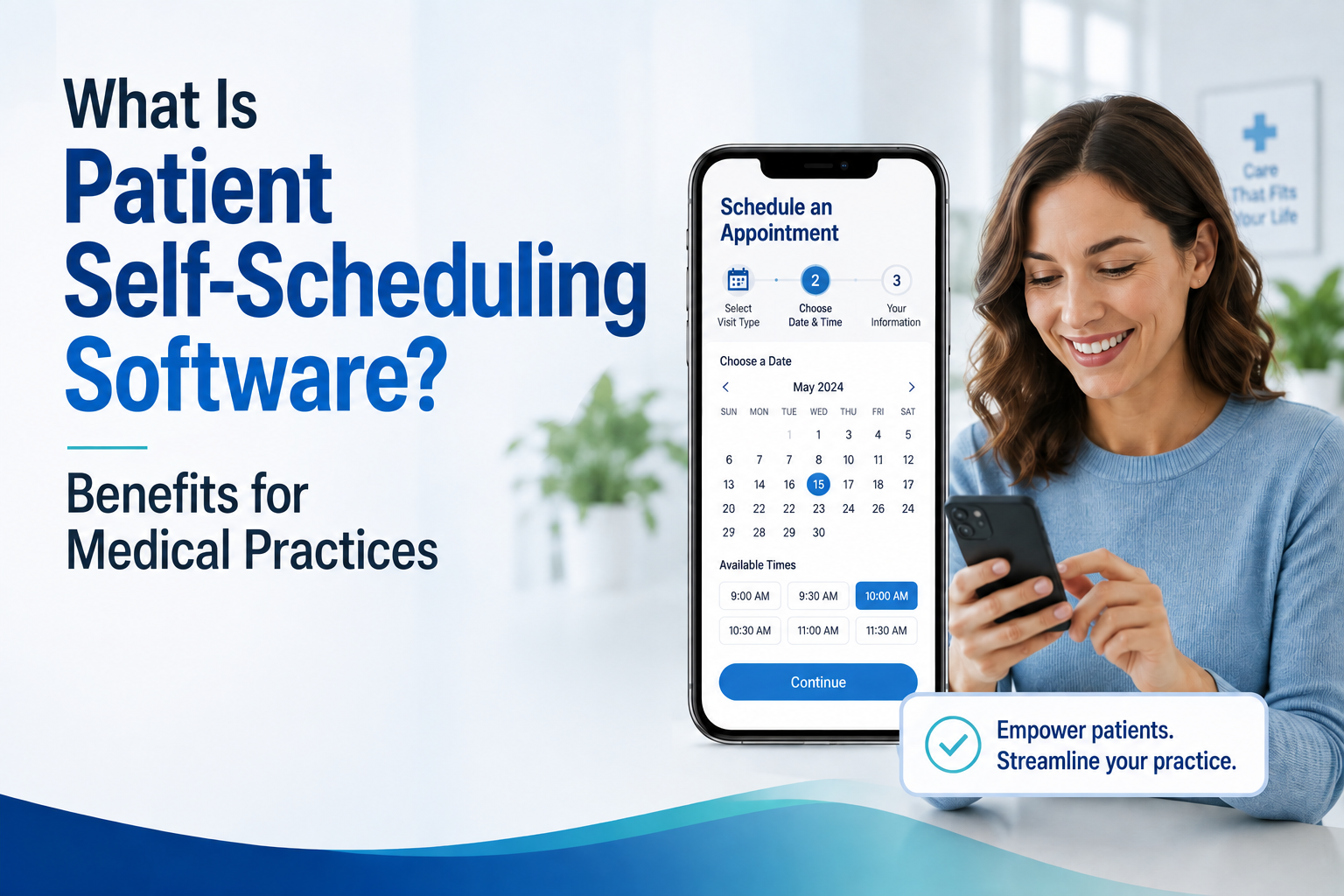
Fewer Missed Appointments
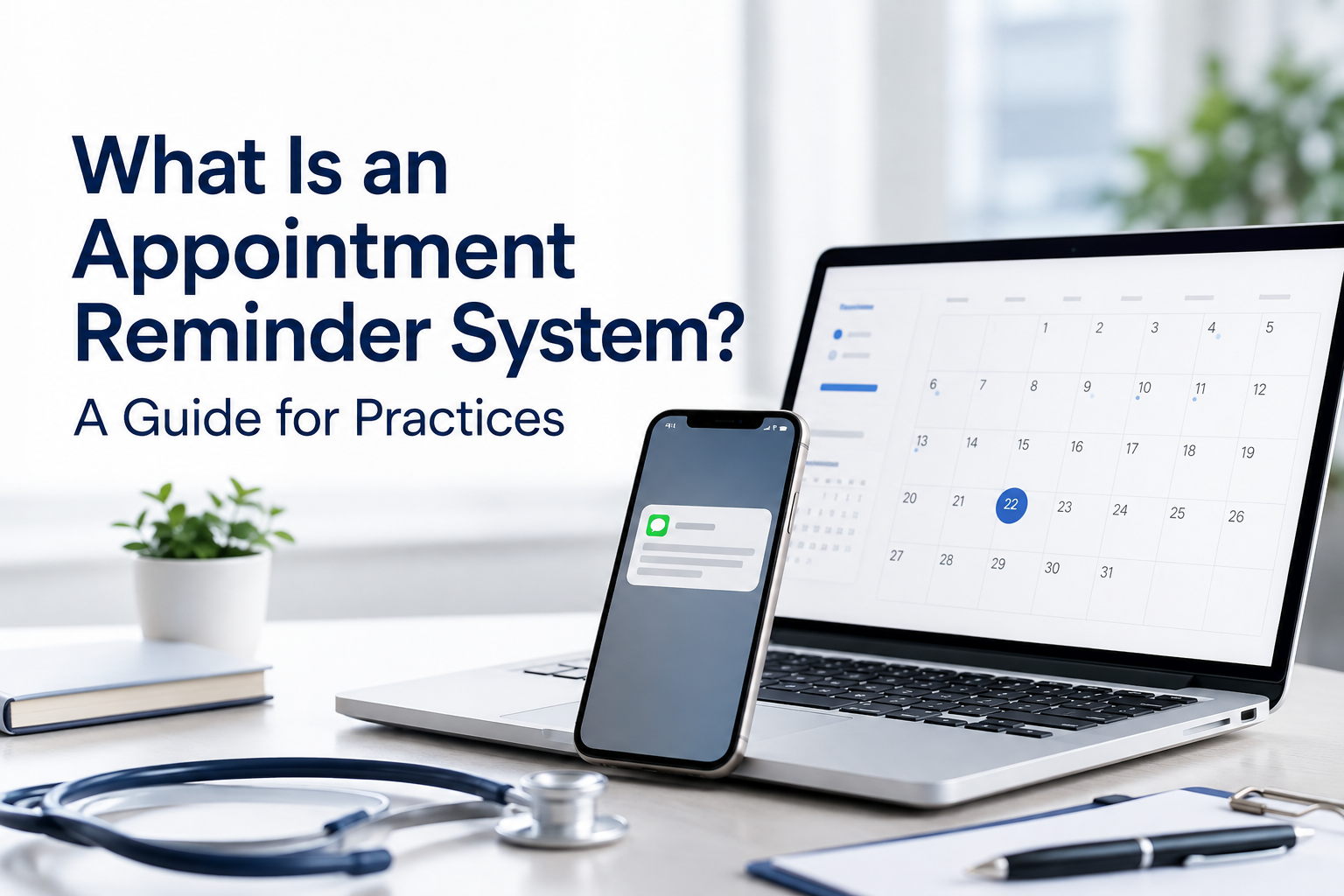
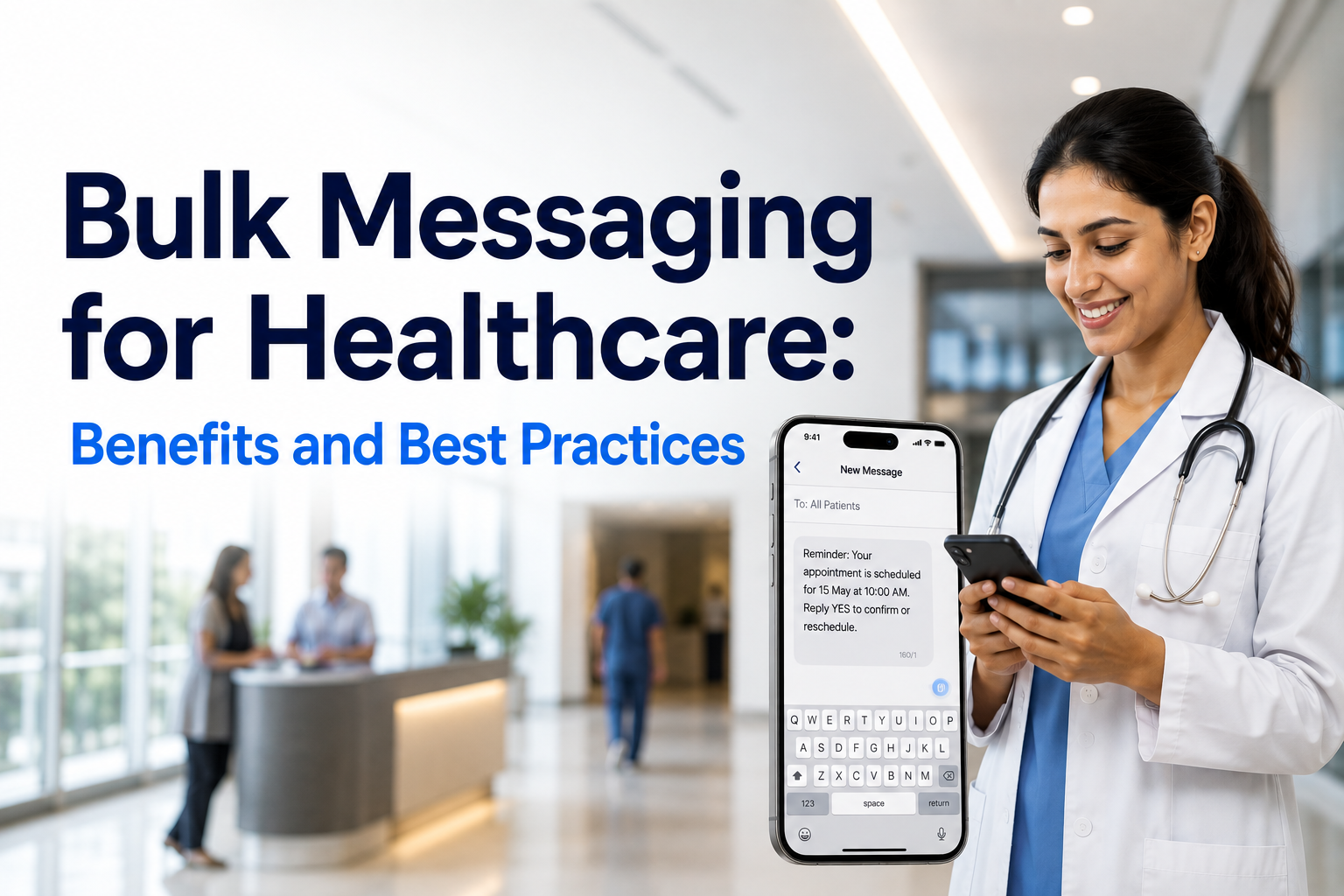
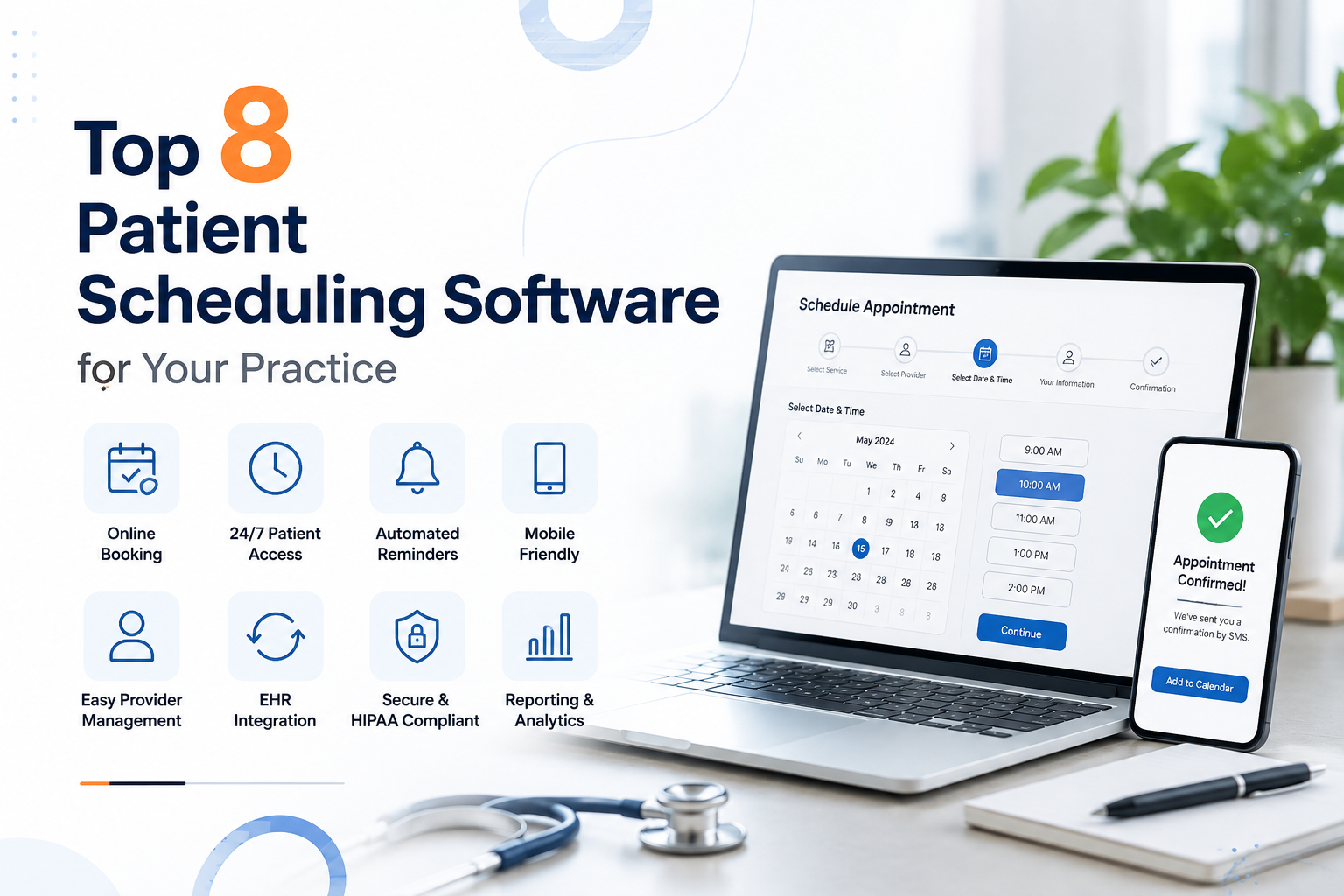
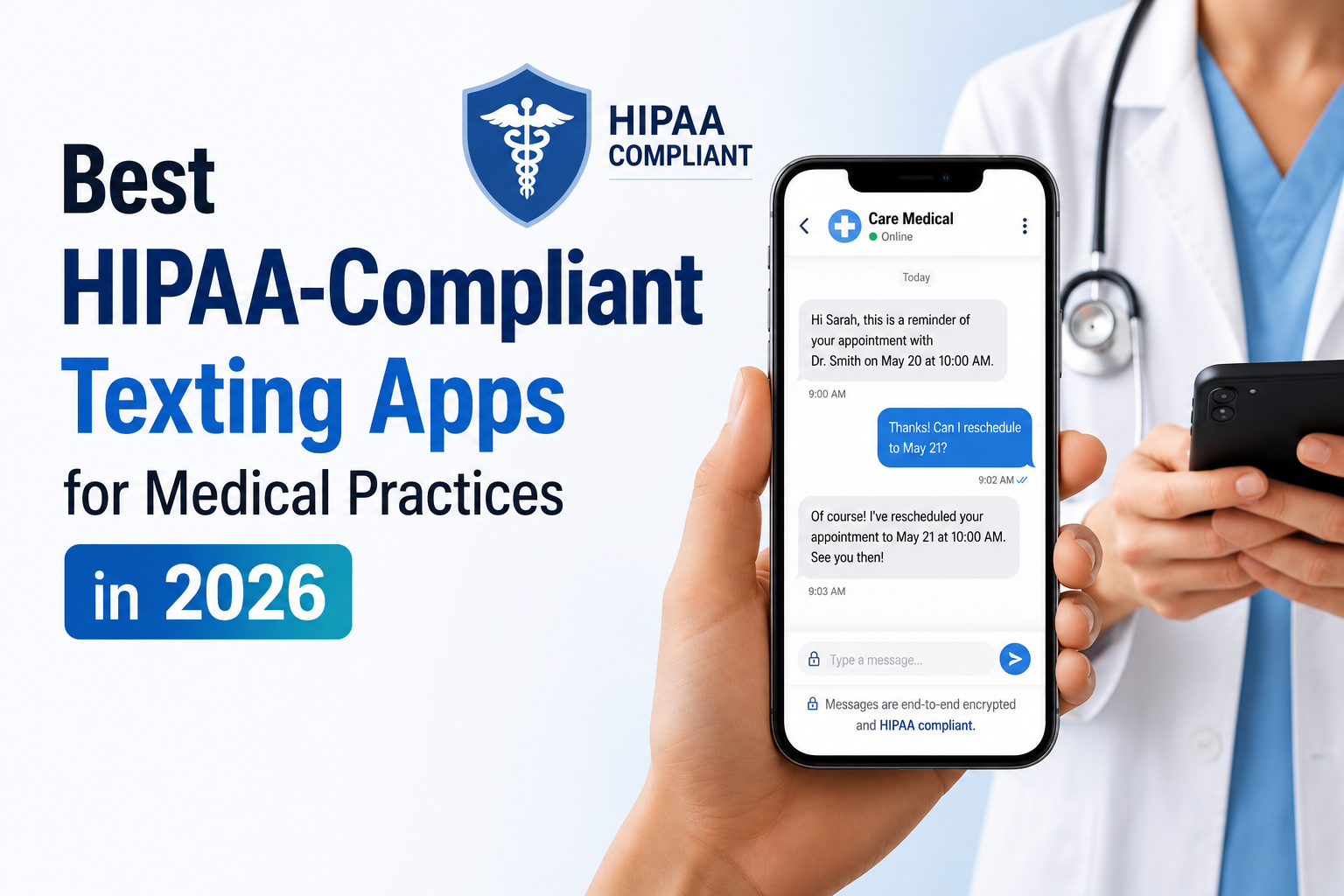
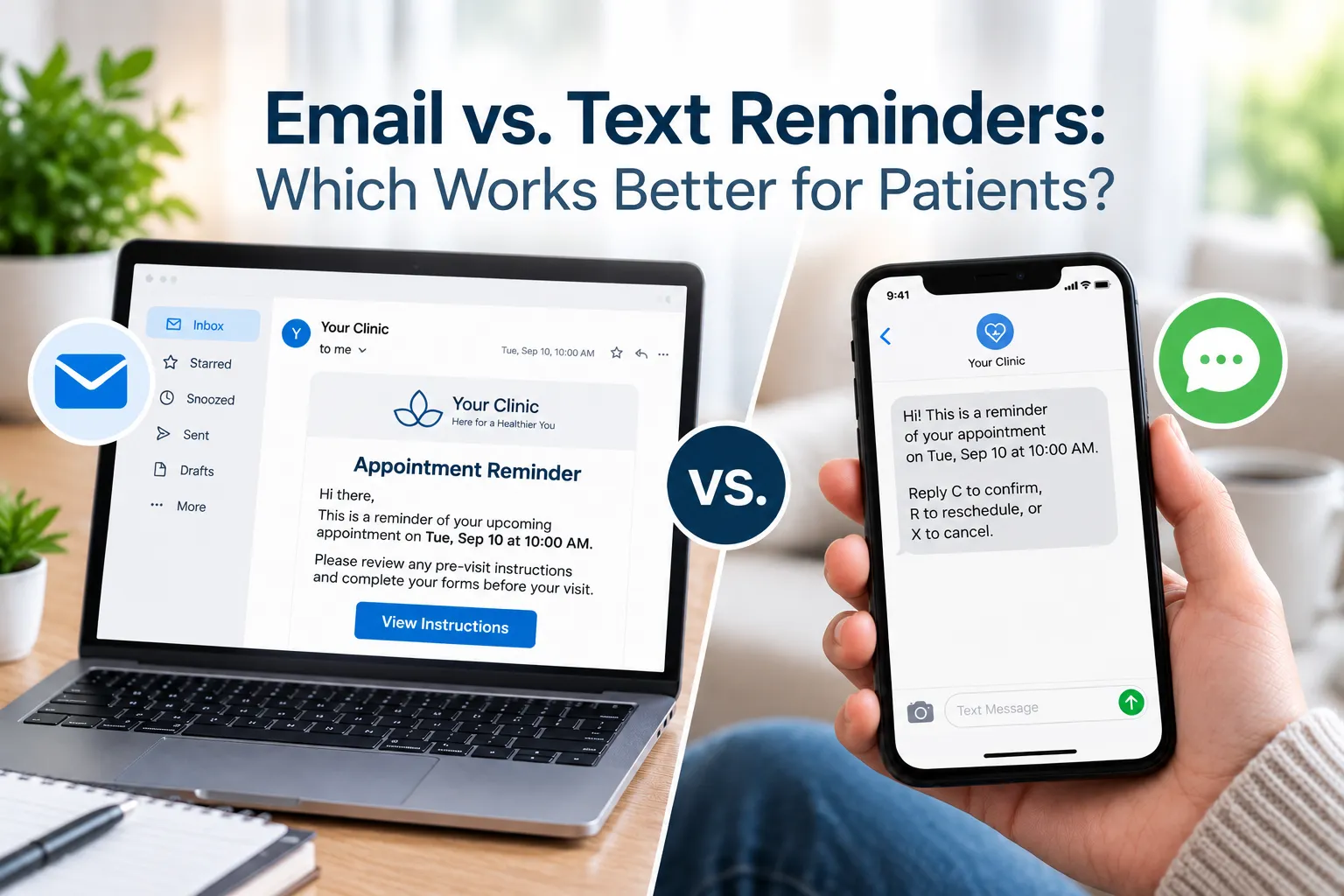
Appointment reminder texts let a patient confirm, reschedule, or cancel with one reply, and the change updates automatically without another phone call. A study from researchers at Imperial College London found no-show rates were 38% lower among patients who got a text reminder, and a separate review of reminder studies found a similar drop on average. For a busy practice, that's the difference between empty slots and a full schedule.
Better Follow-Up After the Visit
Care doesn't stop when the visit ends, and text makes it easier to check in afterward. A short message after a procedure, a reminder to take medication, or a nudge to book a follow-up all help a patient stay on track without needing to remember to call. That small bit of contact after a visit is often what keeps a patient's care moving forward.
Fewer Things Falling Through the Cracks as a Practice Grows
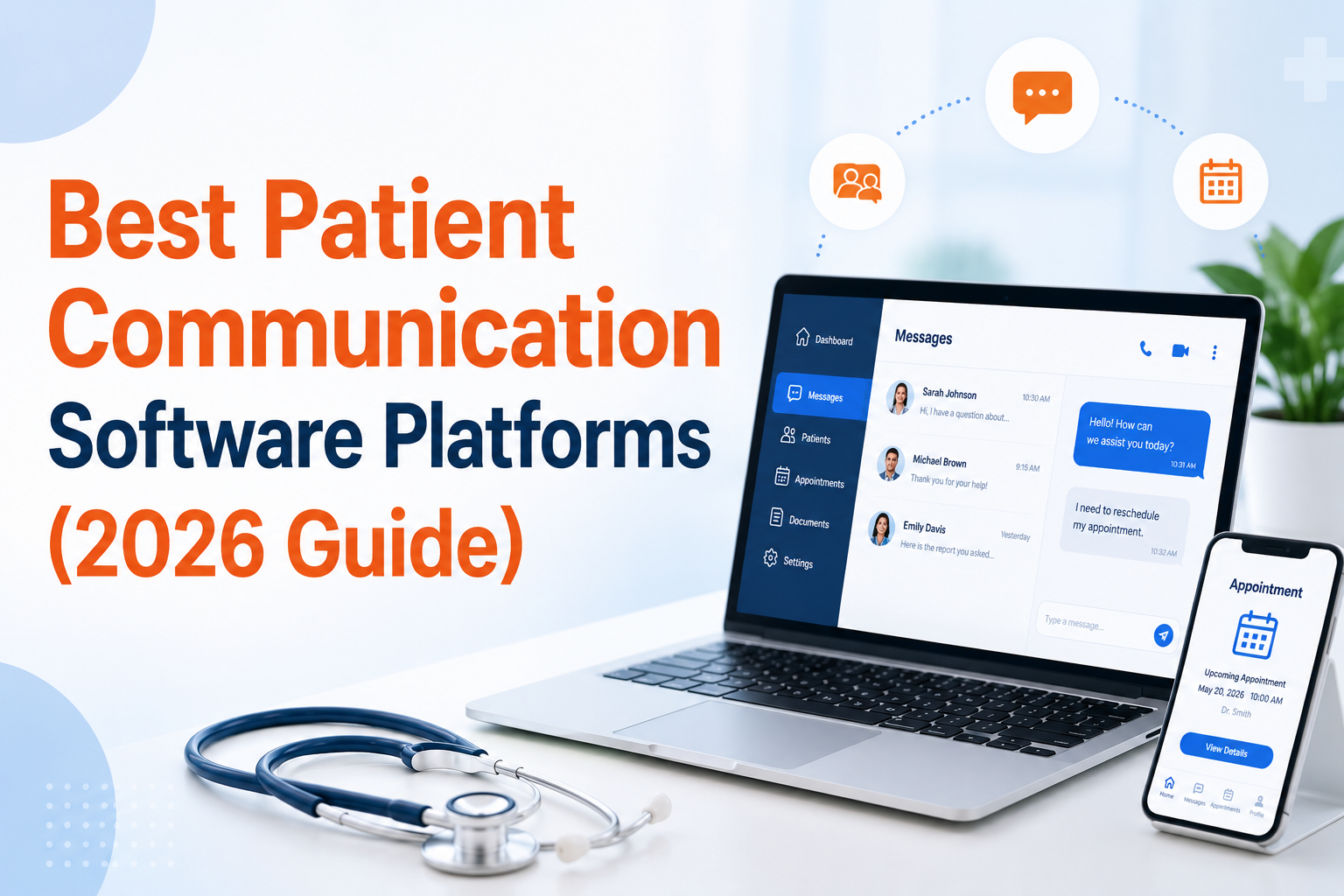
When patient messages go into one shared inbox instead of getting spread across personal phones and sticky notes, nothing gets lost when staff change shifts. Any team member can see the full conversation and pick up where the last person left off. That matters just as much for a two-provider practice as it does for one with several locations.
Where Phone Calls Still Matter

Text doesn't replace the phone, and it shouldn't. Some conversations need a real back-and-forth: a complex clinical question, an urgent concern, or a patient who just prefers to talk. The point isn't picking one over the other. It's using text for quick, routine things and the phone for anything that needs a real conversation. Practices that offer both give patients a way to reach out that actually fits the moment.
What Makes Text Messaging in Healthcare Secure?
Any practice looking at secure text messaging for healthcare should look past basic encryption. A platform built for healthcare needs a signed Business Associate Agreement, encrypted message storage, and controls over who on staff can see and respond to each conversation. Without a signed BAA, a texting tool isn't actually compliant, no matter what it claims.
Practices can check our
Security and Compliance for a full breakdown of what to look for.
How Practices Are Rolling Out Text Messaging
Most practices don't move every conversation to text at once. A common path looks like this:
- Start with automated appointment reminders, since they take the least setup.
- Add two-way replies so patients can confirm or reschedule without calling in.
- Open up general messaging for questions and follow-ups once staff is used to the shared inbox.
Since these platforms can run on a practice's existing number, there's no new hardware to set up and no new number for patients to learn. It's the same practice, just easier to reach.
Conclusion
Text messaging in healthcare is changing patient care by making communication faster and easier to keep track of, without patients or staff needing to be by a phone at the right moment. It works best alongside phone calls and reminders, not instead of them. Practices that offer texting along with a phone give patients more ways to reach out and give staff more time for the patients right in front of them.
Want to see what secure text messaging could look like for your practice?
Book a demo to find out.