Here are
10 ways two-way texting helps create happier patients.
1. Eliminates Long Hold Times
No one enjoys waiting on hold just to ask a quick question or schedule an appointment. Two-way texting lets patients send a message whenever it’s convenient, while staff can respond as workflows allow—creating a smoother experience for everyone.
2. Makes Communication More Convenient
Patients live busy lives. Whether they’re at work, home, or on the go, texting allows them to communicate with their care team without disrupting their day. It’s healthcare communication that fits into modern life.
3. Delivers Faster Responses
Quick answers build confidence. Whether patients have questions about medications, appointments, or care instructions, timely responses help reduce uncertainty and show patients they’re supported.
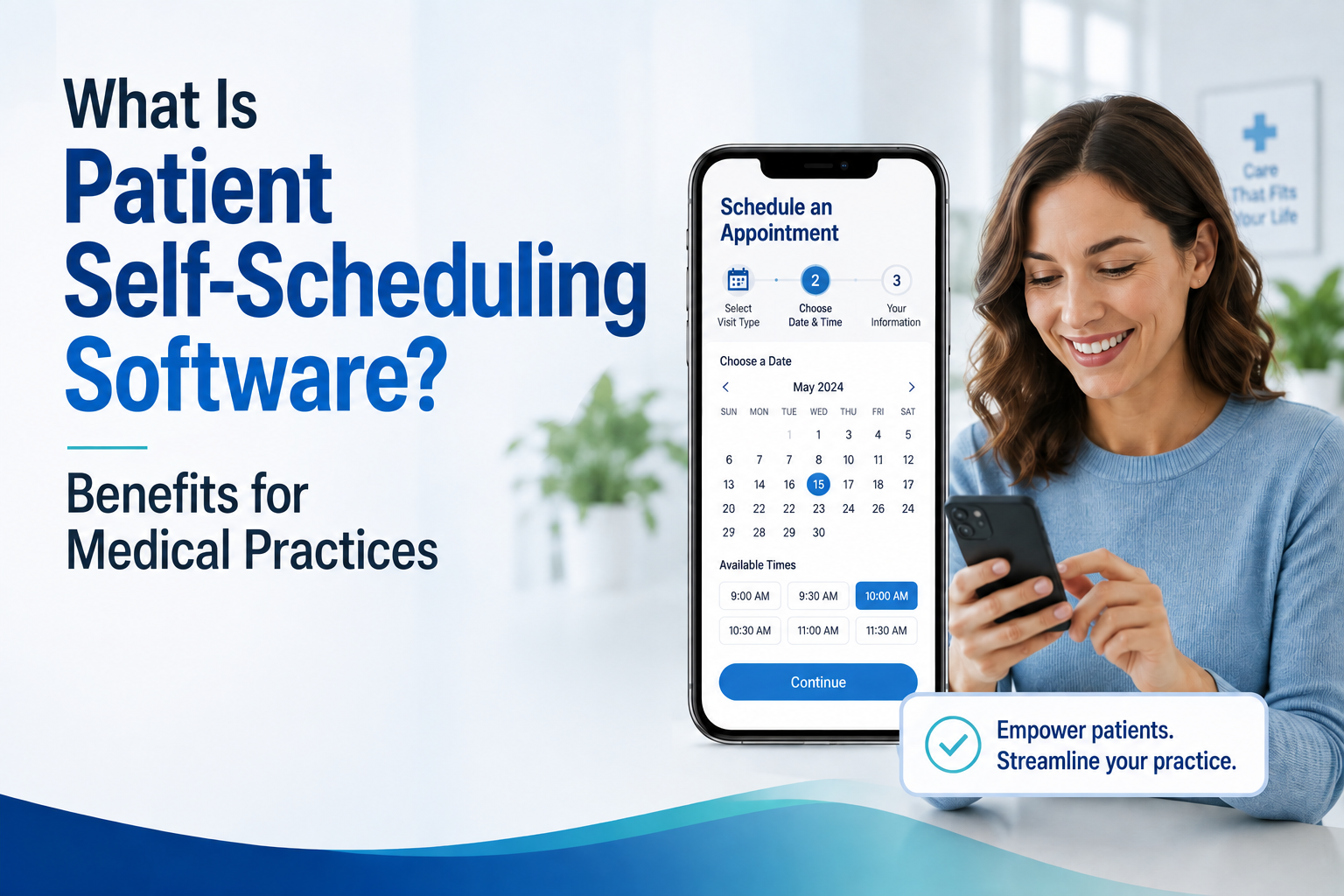
4. Simplifies Appointment Scheduling
Booking or rescheduling appointments shouldn’t require multiple phone calls. Two-way texting makes scheduling faster and easier by allowing patients to request appointments, confirm availability, and receive confirmations, all through a simple conversation.
5. Reduces No-Shows
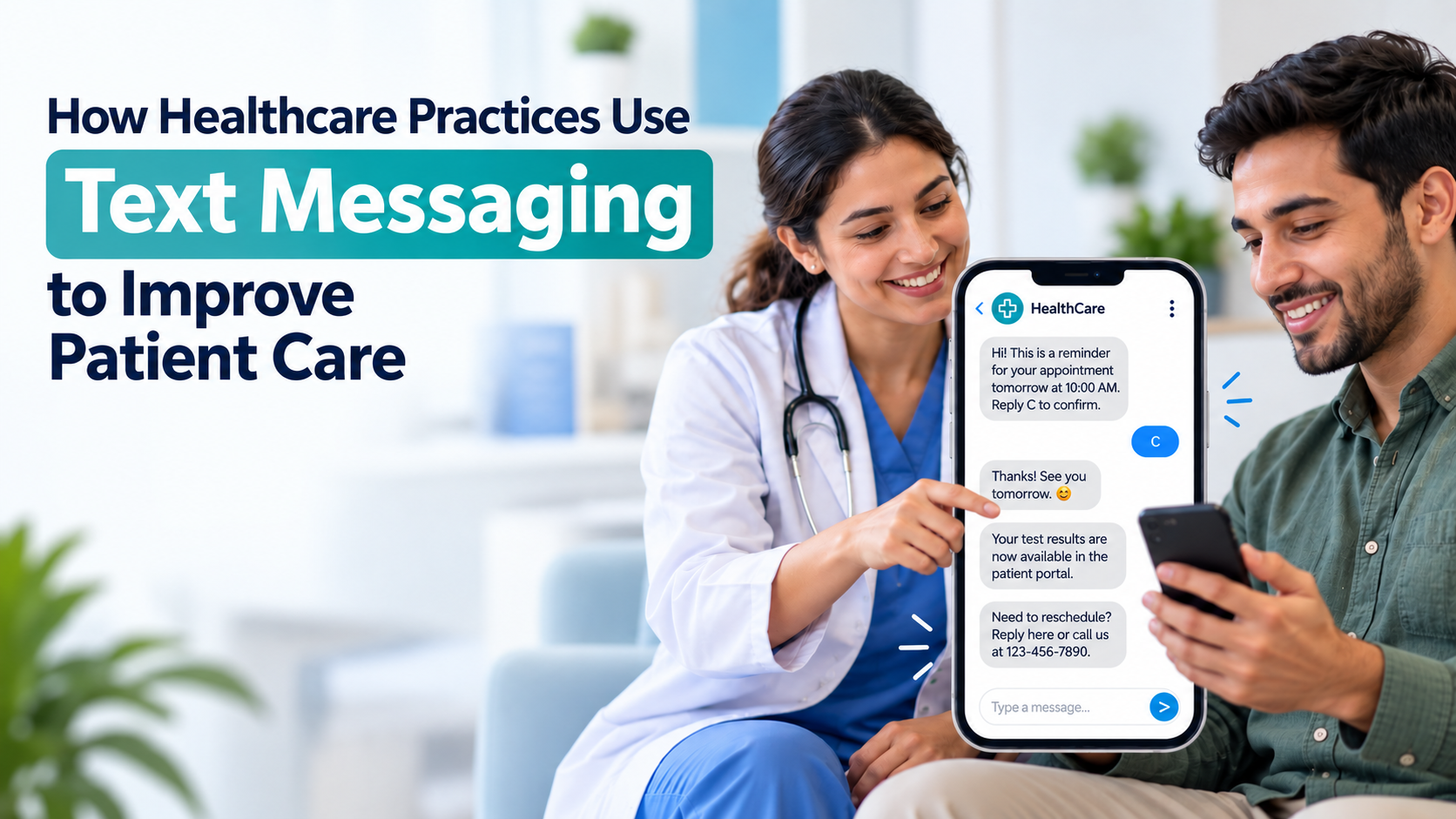
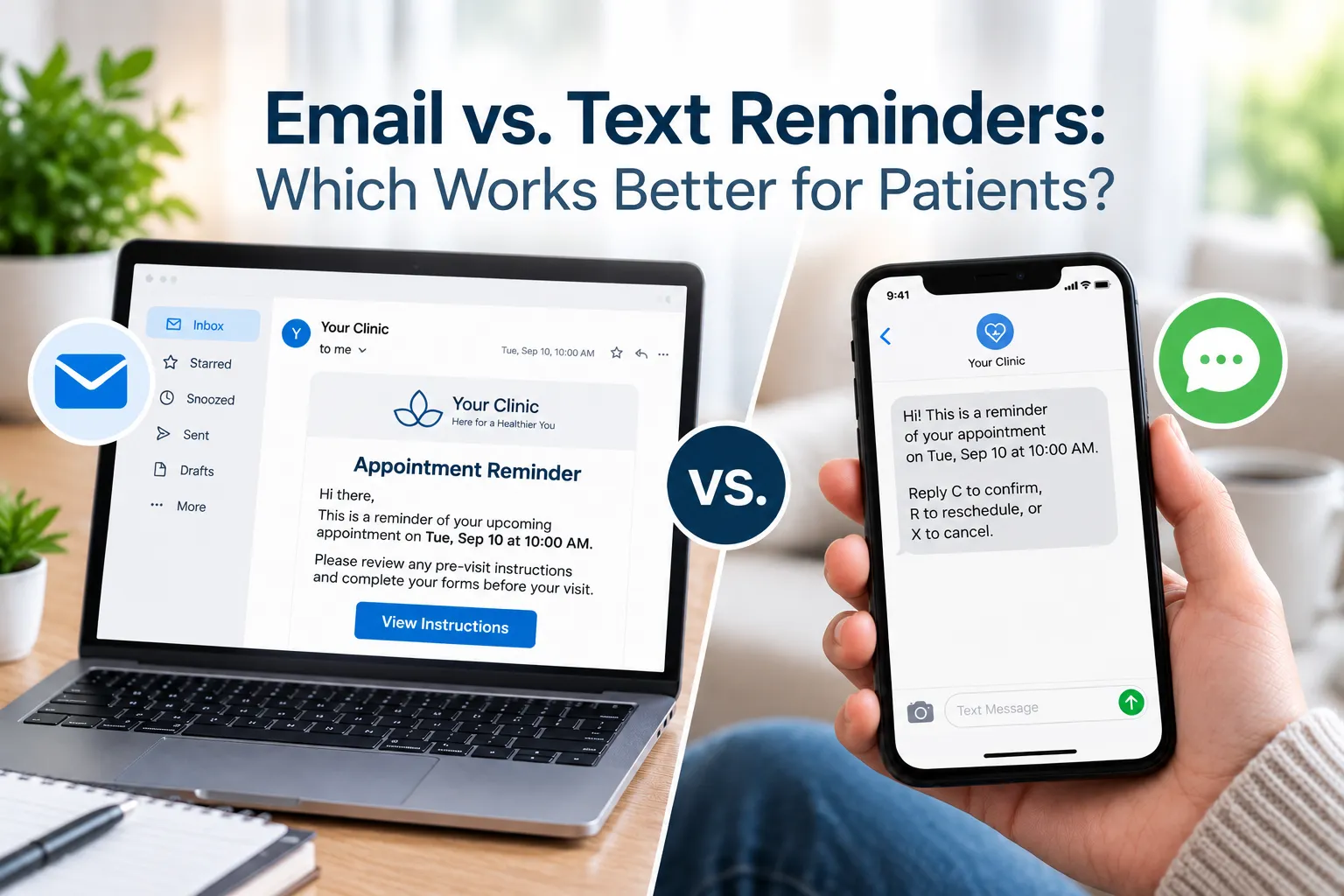
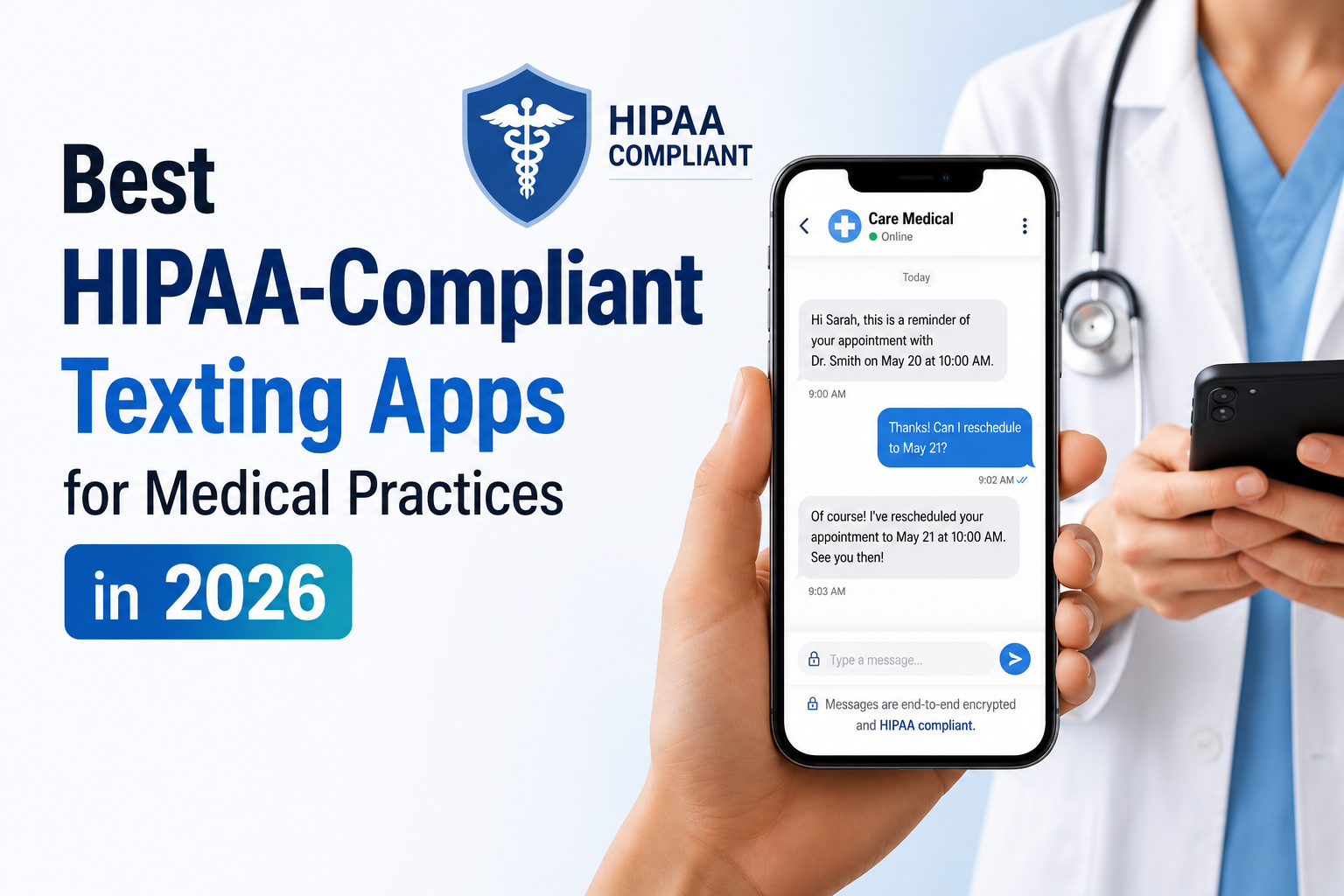
Automated reminders combined with two-way conversations help patients confirm, cancel, or reschedule appointments with ease. Fewer missed appointments mean better continuity of care and improved operational efficiency.
See How SimpleChime Can Help
Two-way texting is even more effective when it's part of a complete patient communication platform.
SimpleChime
helps healthcare practices reduce no-shows with automated reminders, two-way texting, and online scheduling, all in one place.
👉
Book a demo now
6. Keeps Patients Engaged
Engaged patients are more likely to follow treatment plans and stay connected to their healthcare journey. Two-way texting encourages ongoing communication, making it easy for patients to ask questions and receive timely guidance.
7. Creates a More Personalized Experience
Patients want to feel known, not like another appointment on the schedule. Personalized text conversations make interactions more meaningful, helping providers build trust while addressing each patient’s unique needs.
8. Makes Follow-Up Care Effortless
Questions often arise after a visit. Instead of waiting on hold or delaying care, patients can simply send a text to clarify instructions, ask about symptoms, or request additional information, keeping recovery on track.
9. Reduces Patient Anxiety
Healthcare can be stressful, especially when patients are unsure about next steps. Easy access to their care team through texting provides reassurance, reduces confusion, and helps patients feel more confident throughout their care journey.
10. Builds Trust Through Better Communication
Trust grows when communication is timely, transparent, and accessible. Two-way texting demonstrates responsiveness and shows patients that their concerns matter—strengthening relationships with every interaction.
The Bottom Line
Patient experience extends far beyond the exam room. Two-way texting empowers healthcare organizations to communicate faster, simplify scheduling, reduce no-shows, and build stronger patient relationships, all while improving operational efficiency.
When communication becomes effortless, patients feel heard, supported, and more connected to their care team.
Because happier patients aren’t just the result of better care, they’re the result of better communication.
How is your organization improving patient communication in 2026? Are two-way conversations part of your strategy? 👇