Why the Line Between UCaaS and CCaaS Is Disappearing in SMB Healthcare

Pras S • June 17, 2026

Share this article

For years, healthcare practices evaluated communications through a single lens: the phone system. That era is over. Here's what's replacing it, and why it matters for your practice.


The Traditional Split


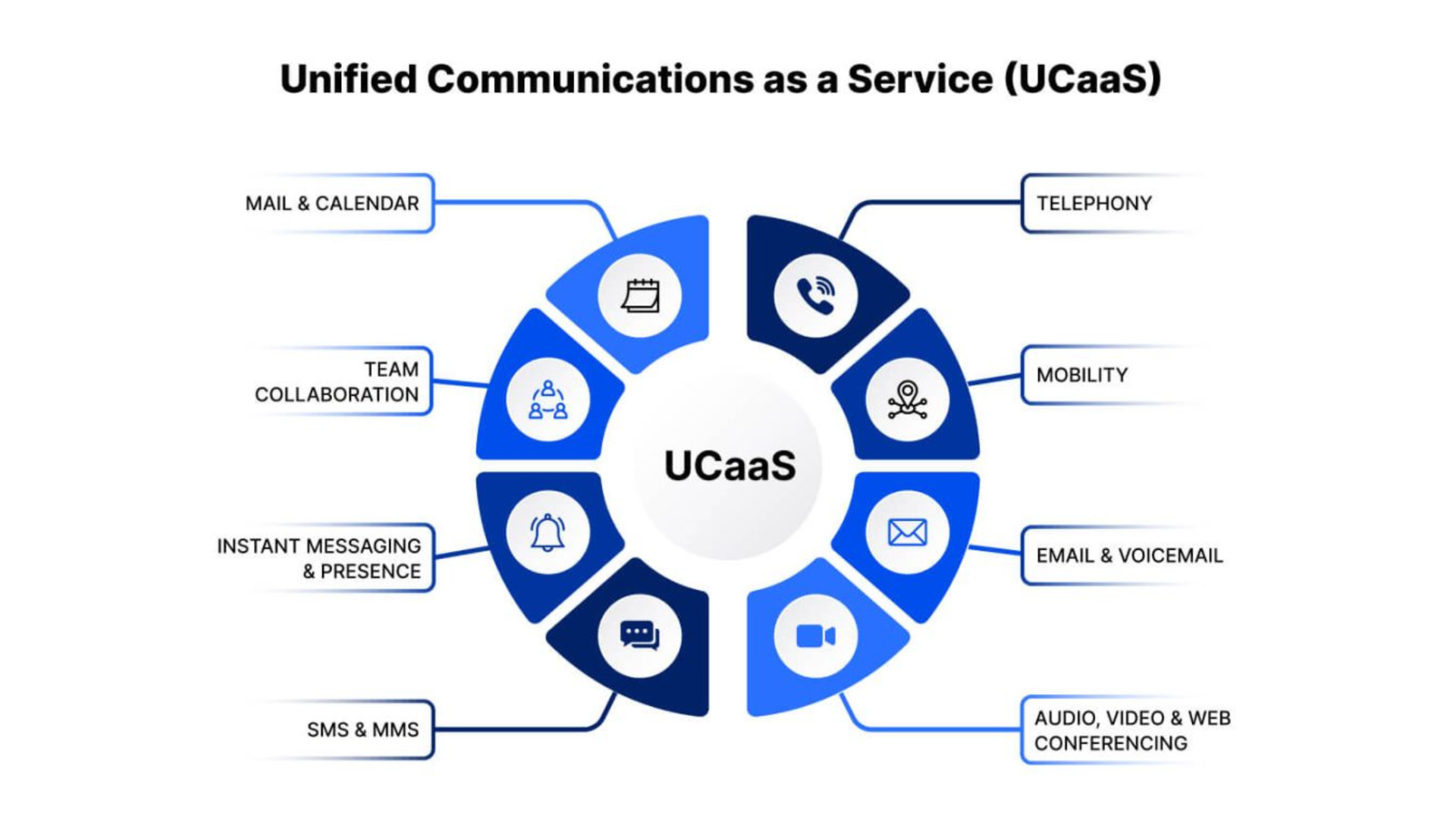
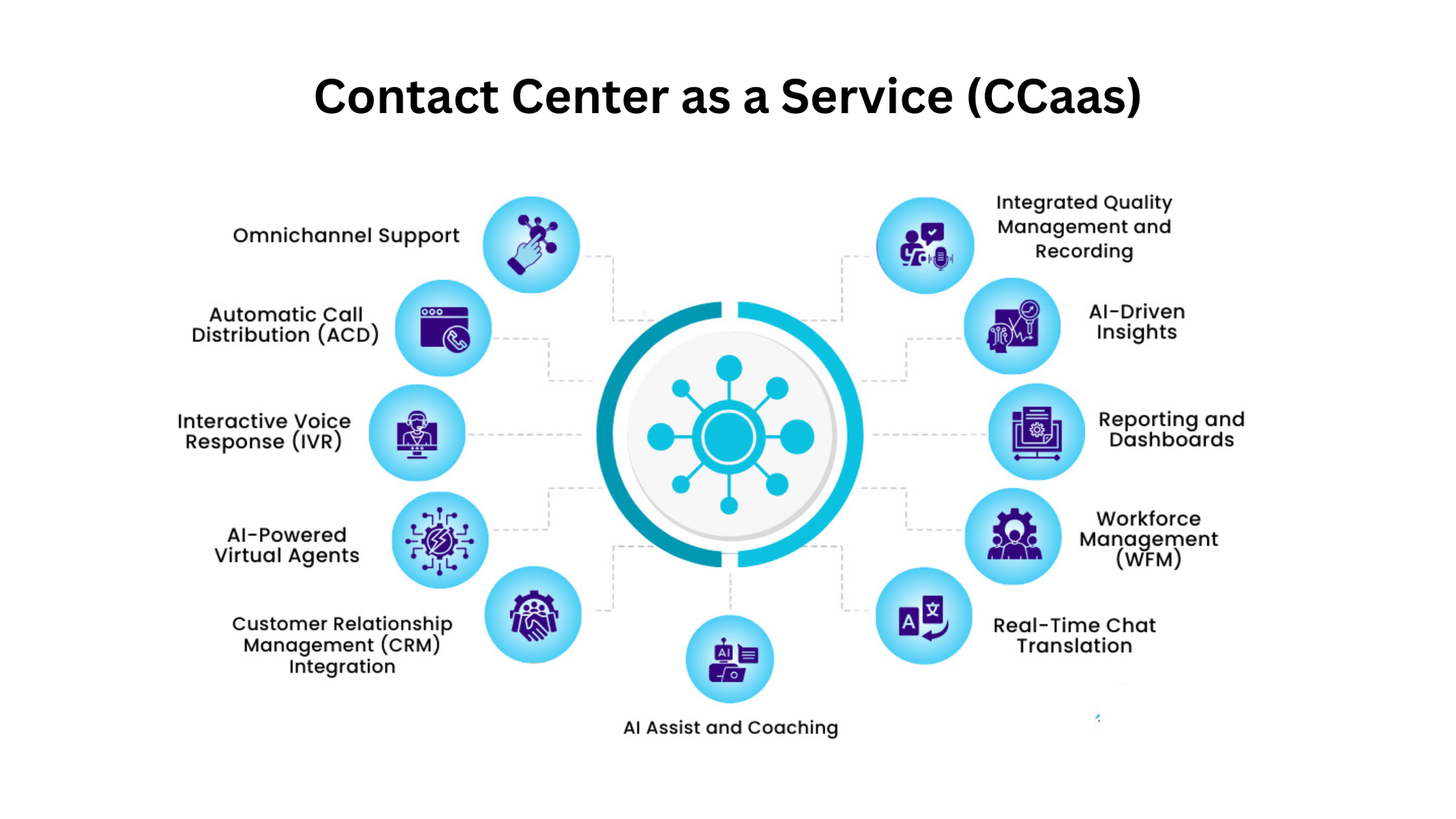
UCaaS (Unified Communications as a Service) and CCaaS (Contact Center as a Service) were built to solve different problems. For most of their history, they lived in separate budget lines, managed by different people, and evaluated by different criteria.


UCaaS


  • Internal team productivity
  • Business telephony and extensions
  • Team messaging and chat
  • Video meetings and conferencing
  • Internal collaboration tools


CCaaS

  • Patient and customer interactions
  • Intelligent call routing and queues
  • IVR and self-service workflows
  • Real-time call analytics
  • Service-level management


In large enterprise settings, this separation made sense. Two departments, two platforms, two vendors.


But in SMB healthcare, the same front-office team member who answers a patient call also schedules appointments, fields referral questions, and manages administrative workflows, often all at once.


For these practices, the front desk is a contact center. The distinction was always artificial.


The Real Question Practices Are Asking


Most practices aren't looking for a better phone system. They're looking for a better way to ensure patients can access care.

Instead of asking:


"Do we have the right phone system?"


Practices are increasingly asking:


"How effectively can patients reach us and get the help they need?"


That shift changes everything about how communications technology should be evaluated.


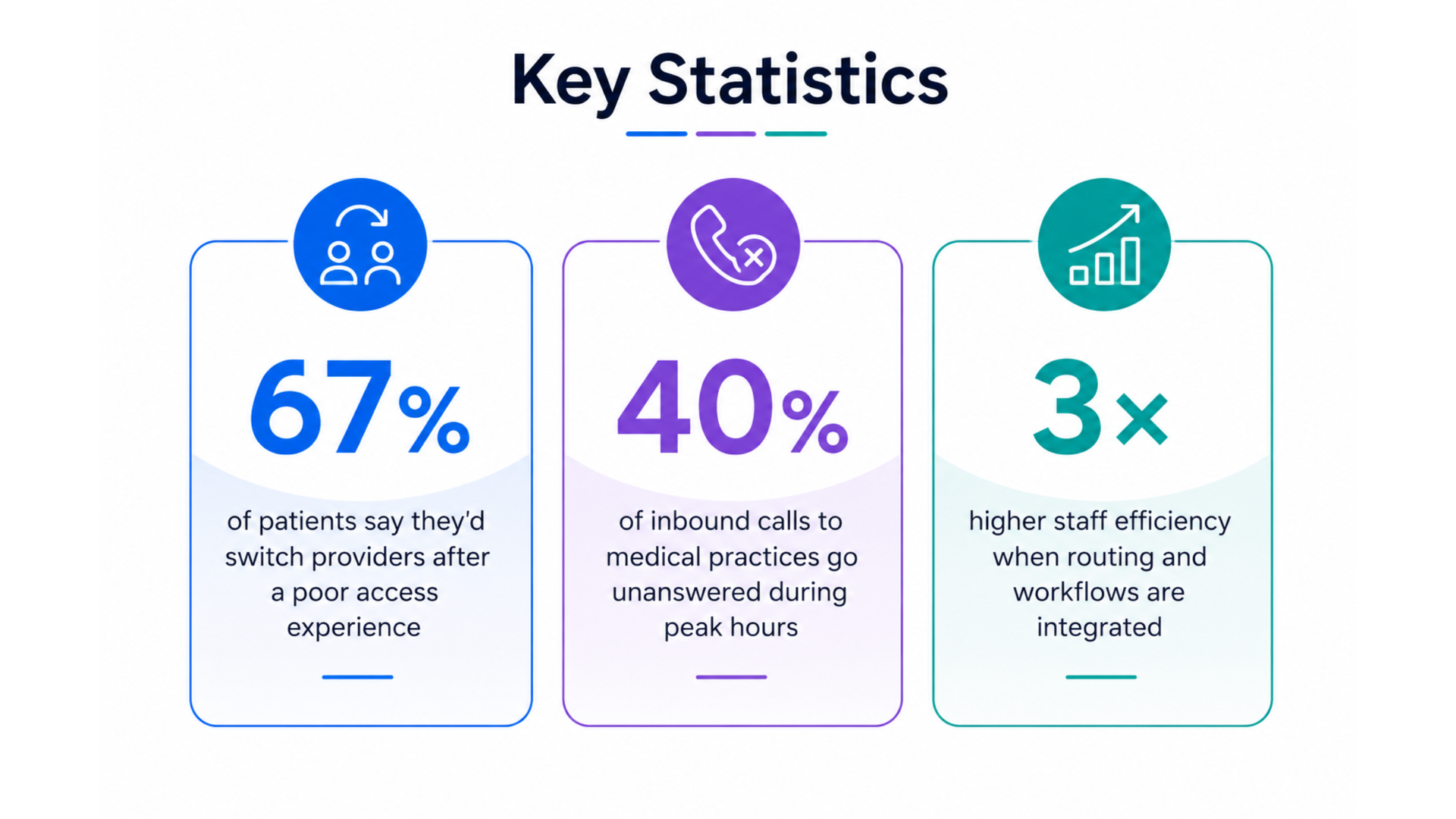
Missed calls become missed appointments. Long wait times erode trust. Poor routing increases staff workload and drives burnout. Every communication breakdown has a direct operational and financial consequence.

The Convergence

SMB healthcare organizations rarely have the capacity to manage two separate communications platforms.

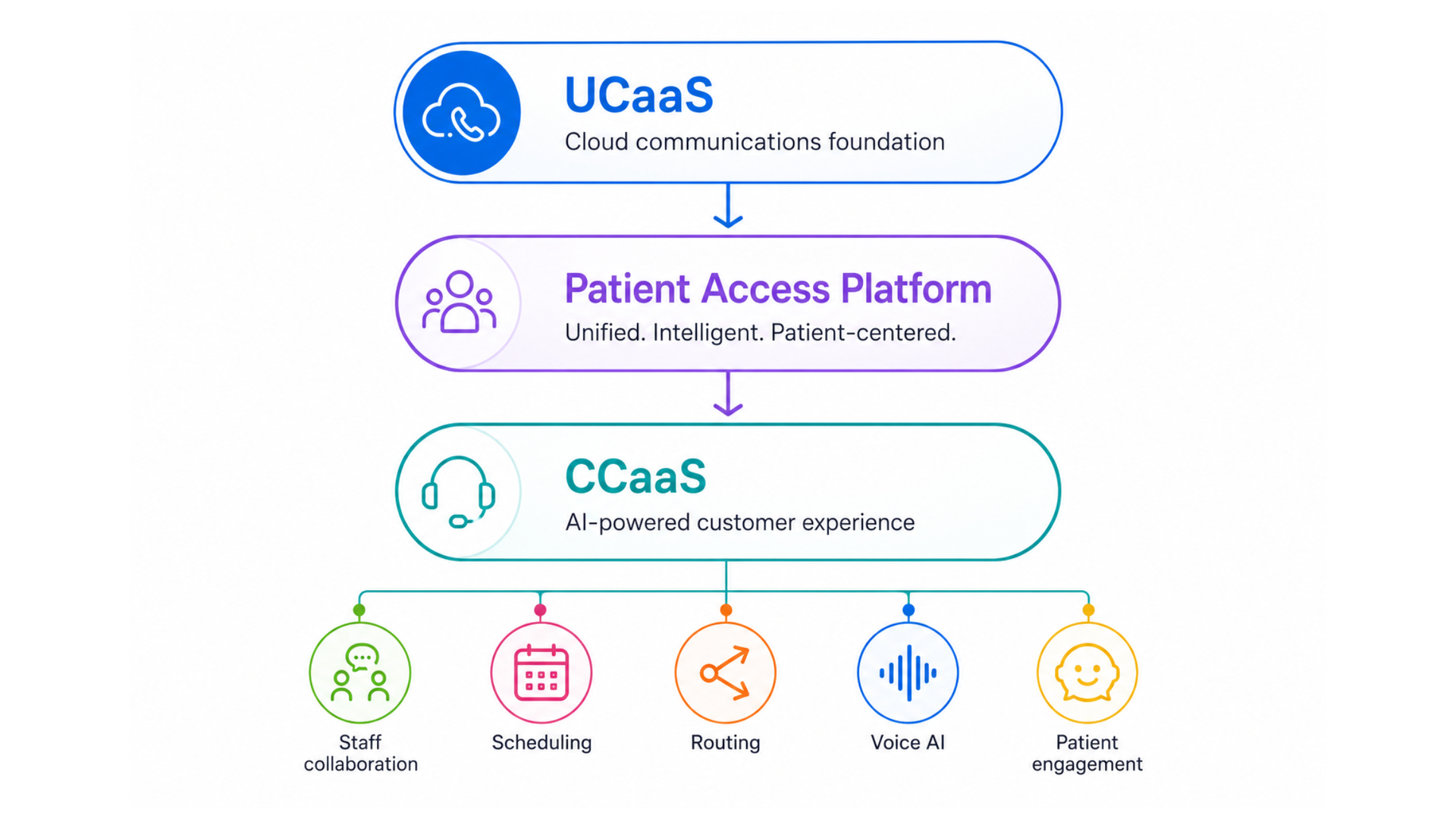
The market has responded by collapsing the categories into unified patient access platforms, combining internal collaboration with intelligent patient engagement in a single experience.


The best solutions coming to market aren't defined by whether they're "UCaaS" or "CCaaS."


They're defined by whether they help patients reach care faster, reduce administrative burden on staff, and give practice leaders visibility into what's actually happening with every interaction.

What to Look For


Four Outcomes That Matter


Intelligent Routing


Every call finds the right person without staff having to manually redirect. Routing that adapts to schedules, skill sets, and capacity.


Automated Scheduling Workflows


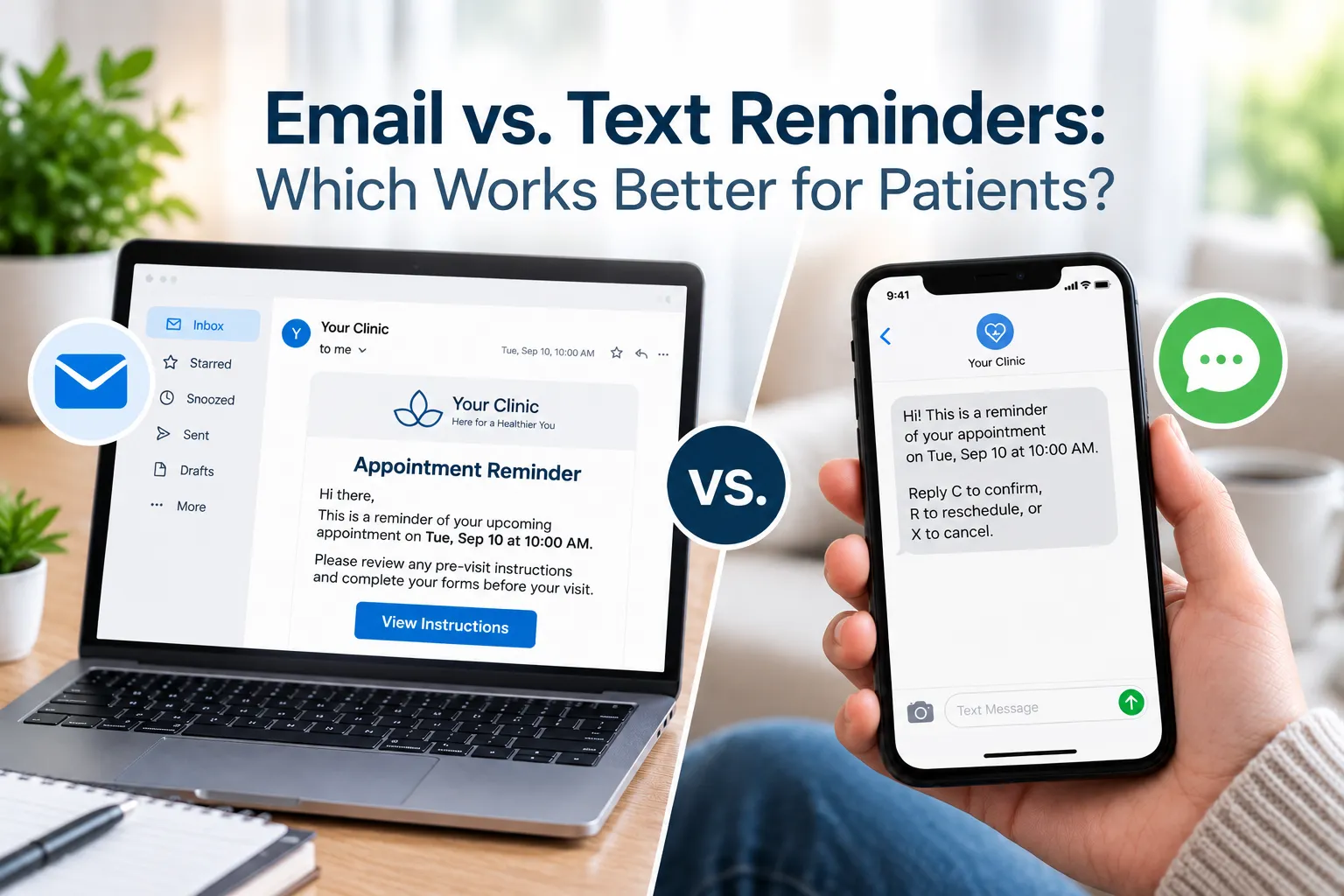
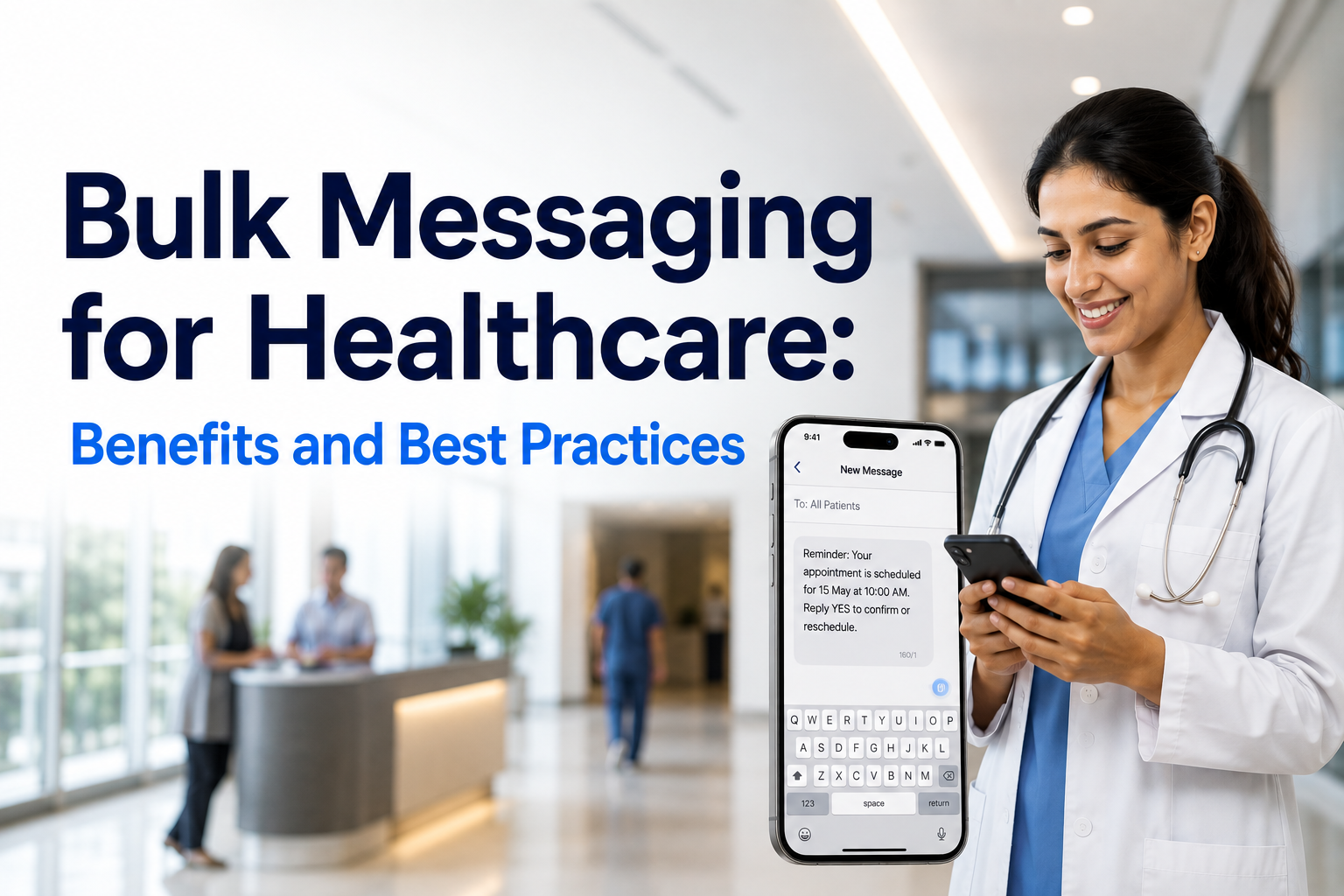
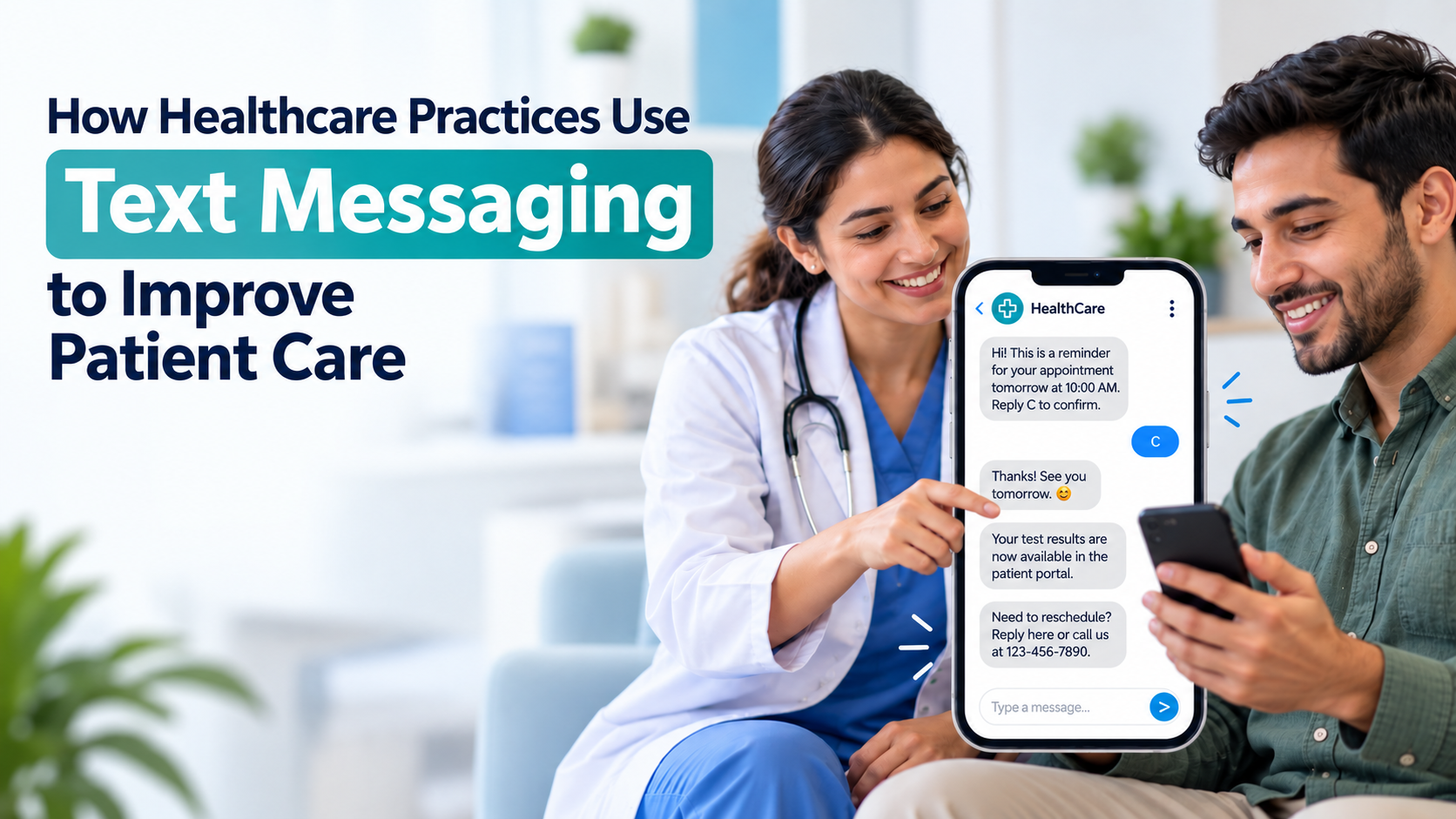
Appointment requests, reminders, and confirmations are handled through voice and SMS without tying up staff on repetitive calls.


Omnichannel Patient Access


Voice, SMS, and web inquiries are unified into a single queue, so no patient falls through the cracks regardless of how they reach out.


Operational Visibility


Practice leaders can see call volume, wait times, resolution rates, and staff performance, and act on the data, not instinct.


Looking Ahead


Voice Isn't Going Away. It's Evolving.


Voice remains the primary channel for healthcare patient access, and will be for the foreseeable future.


But voice is no longer just "answering the phone." It's the entry point into a broader patient engagement system that includes intelligent routing, Voice AI for after-hours coverage, SMS follow-up, and scheduling automation.


The organizations that win in SMB healthcare communications won't be those that simply offer more channels.


They'll be the ones that help practices turn every patient interaction, regardless of channel, into a reliable, efficient pathway to care.

For SMB healthcare practices, the goal isn't choosing between UCaaS and CCaaS.


It's building a communications foundation that ensures patients can always connect with the right care at the right time, and that staff aren't buried in the operational overhead of making that happen manually.


Ready to See What Modern Patient Access Looks Like?


Independent helps healthcare practices replace their legacy phone systems with integrated voice, SMS, and scheduling platforms built for the way patients actually communicate today.


SimpleChime streamlines routing, scheduling, and patient communication to reduce workload and improve patient experience.


Talk to our team ↗


FAQs

UCaaS (Unified Communications as a Service) is a cloud-based communication platform that helps healthcare teams communicate internally through business phone systems, team messaging, video meetings, voicemail, and collaboration tools. It is primarily focused on improving staff productivity and coordination.
CCaaS (Contact Center as a Service) is a cloud-based platform designed to manage patient and customer interactions. It includes features such as intelligent call routing, call queues, IVR menus, analytics, workforce management, and omnichannel communication to improve the patient experience.
Most small practices may not need a traditional enterprise contact center, but they benefit from features like intelligent call routing, appointment scheduling workflows, call analytics, and patient messaging.
Intelligent routing directs patients to the right person or department faster, reducing hold times, missed calls, and unnecessary call transfers.

Recent Posts