
What Is Two-Way Texting in Healthcare? Benefits, Uses, and Why It Matters
Good and clear communication is a big part of quality care. Many patients leave a provider's office with unanswered questions. If those doubts stay open, they can turn into bigger problems later. Phone calls can take time, and sometimes patients may not be able to reach the practice right away. This is why two-way text messaging in healthcare can help.
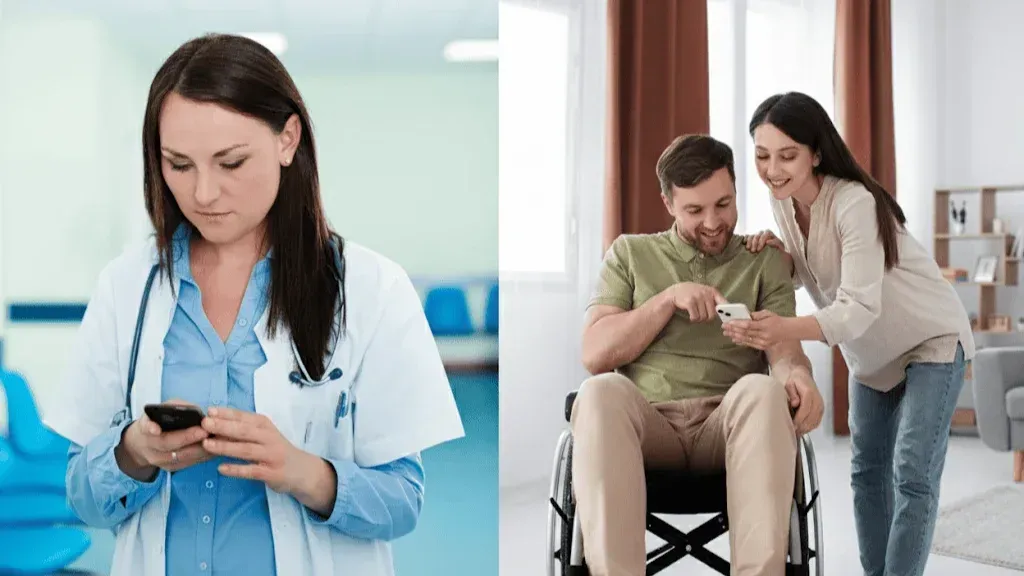
With two-way text messaging in healthcare, patients can send a reply, ask a simple question, or confirm a visit without waiting for a call. A practice can also send reminders and get answers fast. Good software makes this smooth, and patients can respond directly from their mobile phones. This is one reason two-way text messaging in healthcare is now used more in daily care.
What Is Two-Way Texting in Healthcare?

Two-way text messaging in healthcare means both sides can send messages and reply. It is not like a one-way alert, where only the practice sends a note. Two-way text messaging in healthcare lets the patient and the care team talk in short text form.
This is useful for simple things like asking about a visit, checking a time, or sharing a small update. Patient two-way texting helps patients stay in touch without long calls. It also helps the provider or staff answer basic needs faster. In many cases, this kind of two-way text messaging in healthcare is easier than calling again and again.
How Two-Way Texting Works in Healthcare
The flow is simple.
- The practice sends a text message
- The patient receives the message on their phone
- Patient replies directly by text from their phone
- Staff reviews the response and follows up if needed
The reply may go to staff, or it may go through a set system that sends a quick answer first using messaging software.
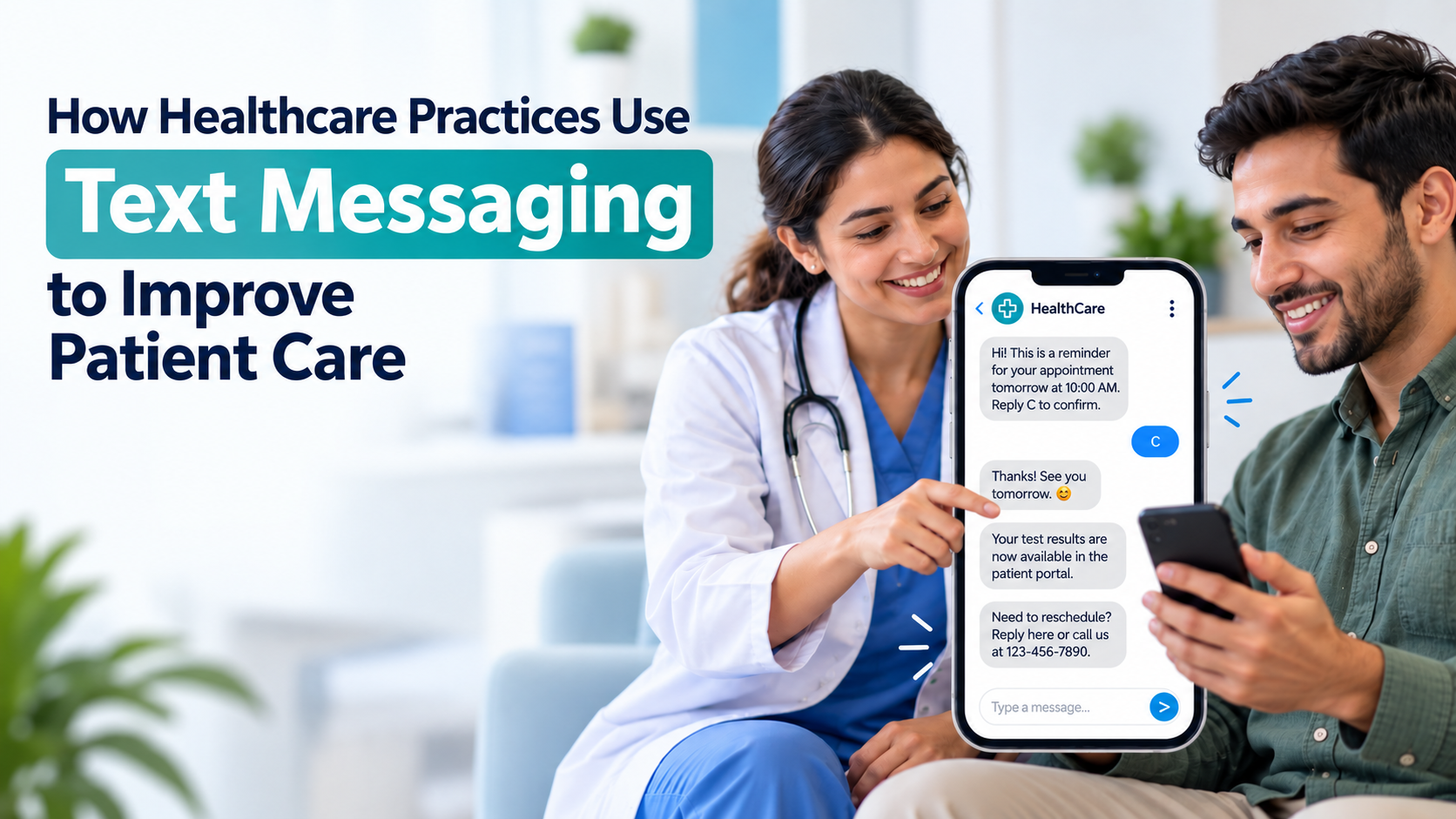
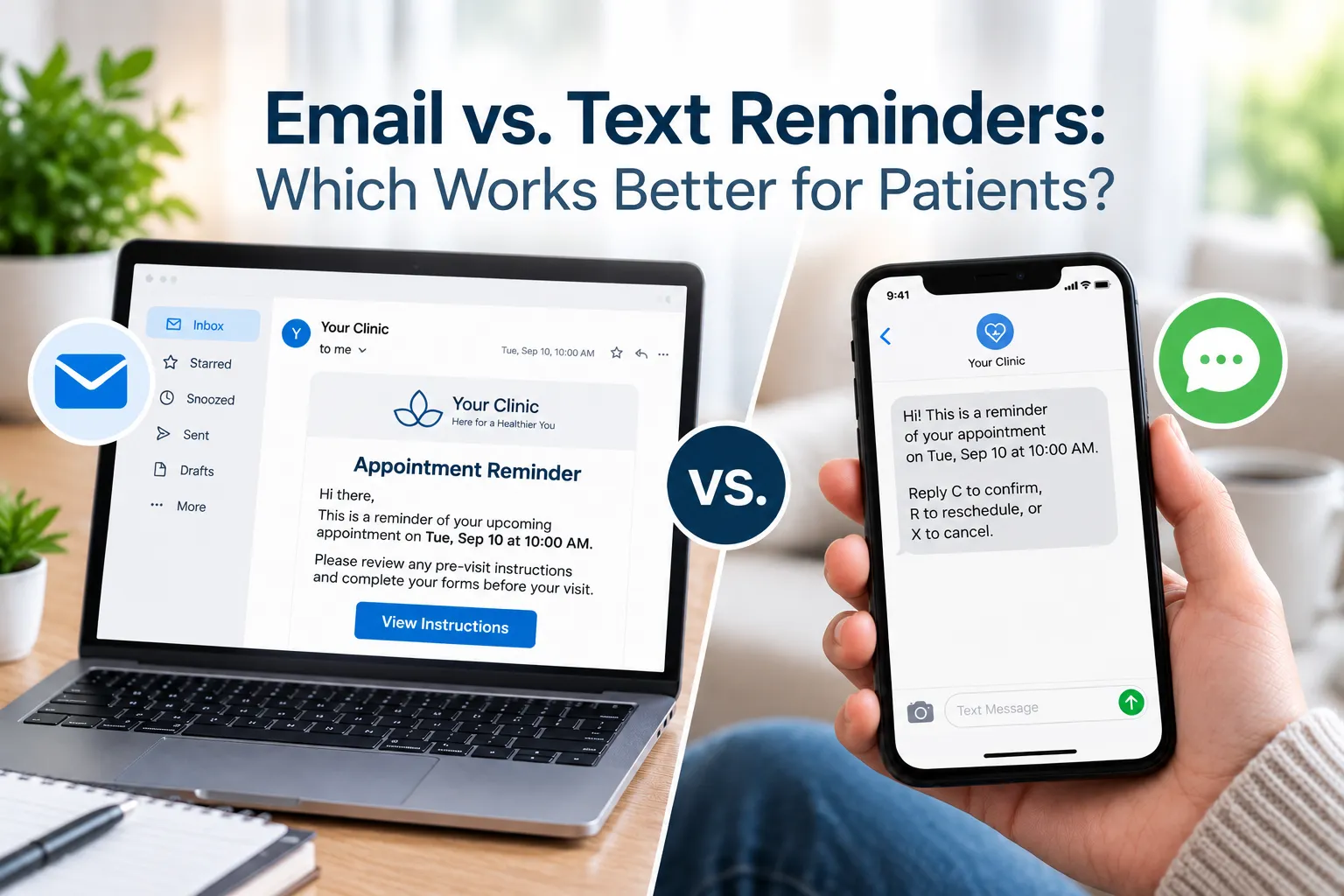
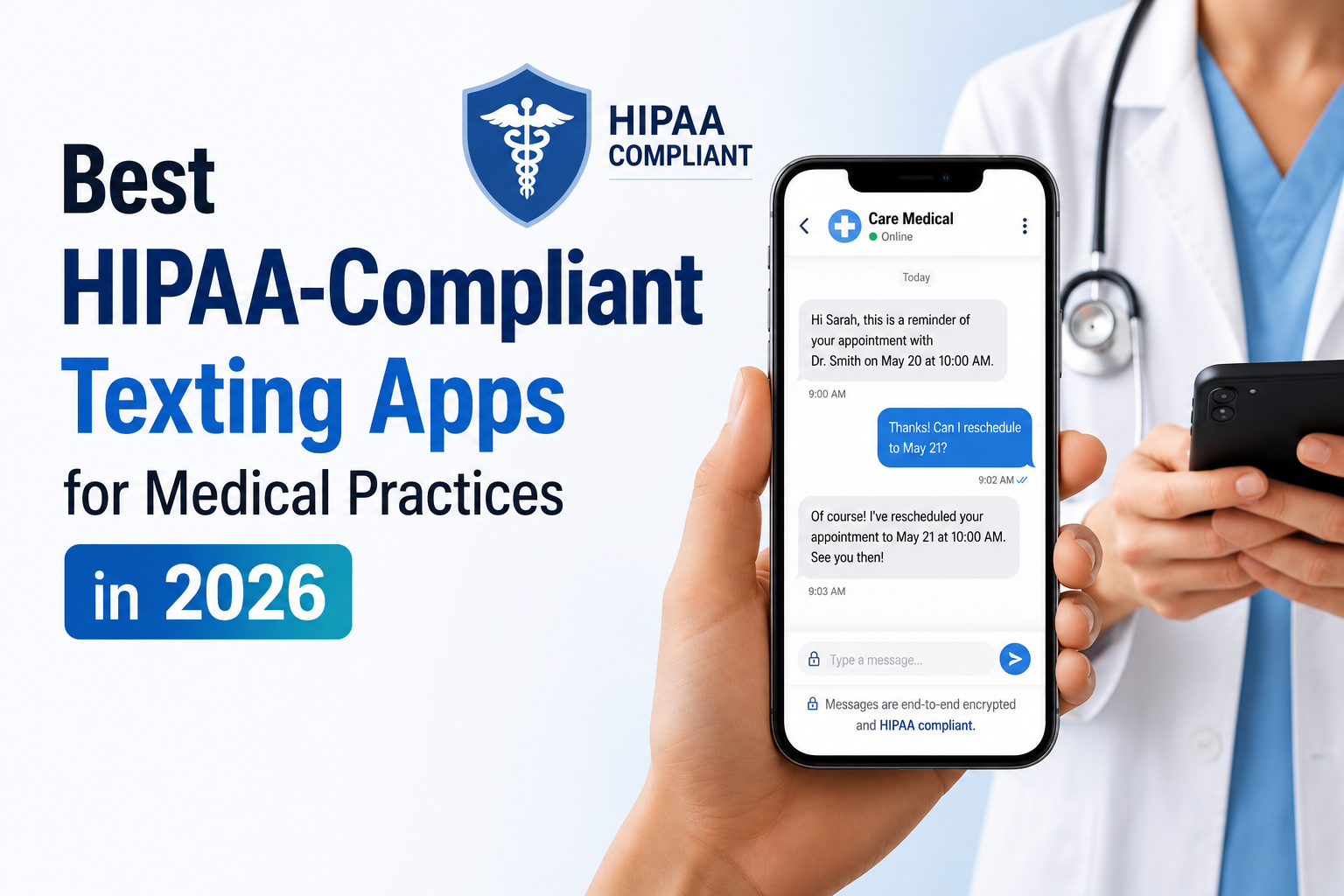
For example, a patient may get a visit reminder and reply, "Yes, I will come." The providers or the front desk team can then respond. Two-way text messaging in healthcare works well because it saves time for both sides.
Benefits of Two-Way Texting in Healthcare
There are many good points here.
- Faster communication between patients and providers
- Less waiting on phone calls
- Fewer missed appointments through easy reminders
- Patients can ask simple questions quickly
- Staff can manage conversations more efficiently
- Less pressure on busy phone lines
- Patients can reply from anywhere using their mobile device
A good messaging software can sort messages and save time for staff. In many practices, patient two-way texting also lowers pressure on the phone line. A person can use their phone at home, at work, or while on the move. That is why two-way text messaging in healthcare matters in daily care.
Common Uses of Two-Way Texting
Two-way text messaging in healthcare is used for many small but useful tasks.
- Appointment reminders
- Visit confirmation
- Rescheduling a time
- Medicine refill questions
- Follow-up after a visit
- Test or screening reminders
- Simple patient questions
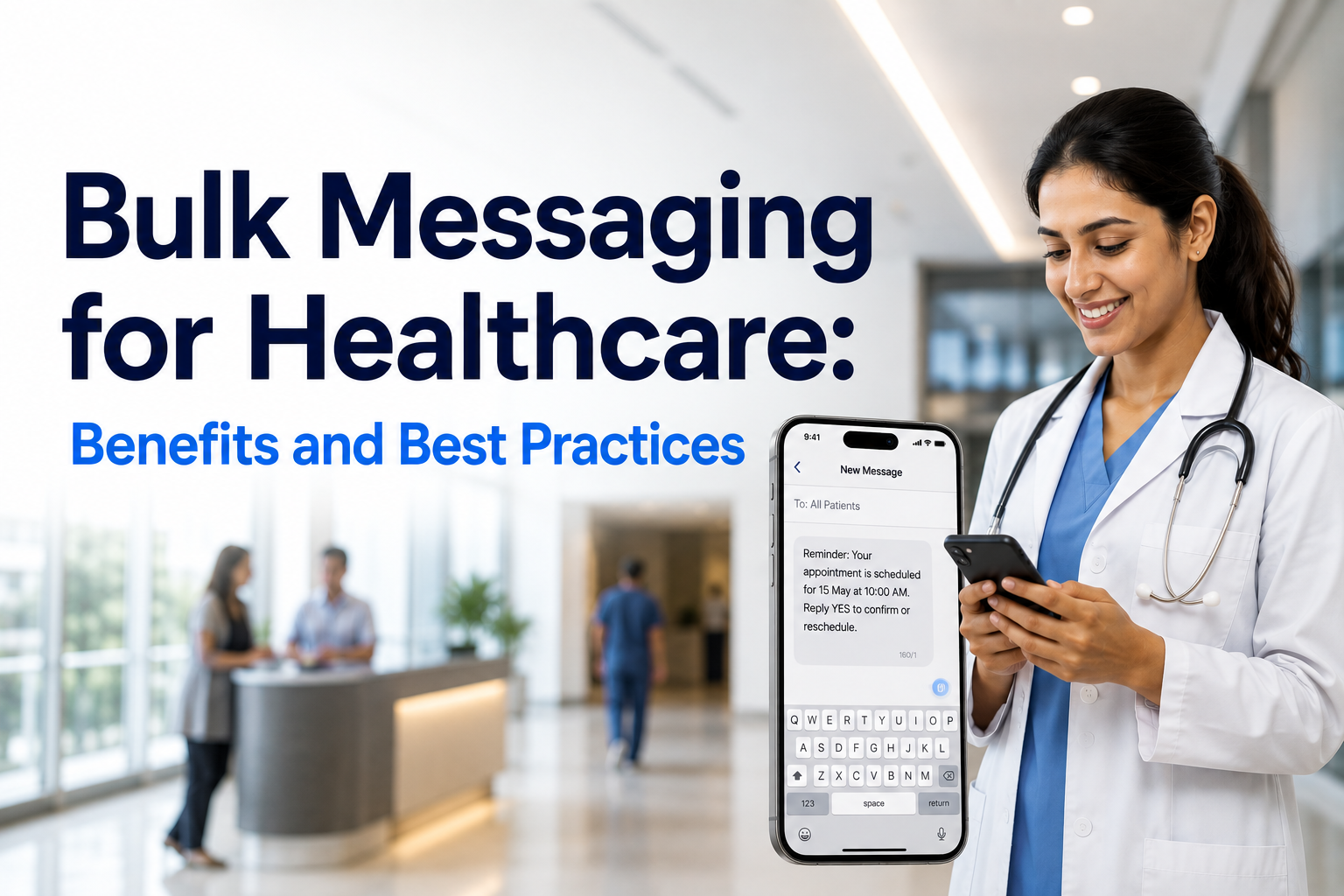
A provider may use this for a quick follow-up. A practice may use messaging software to send the same reminder to many patients. A device is enough for the patient to read and reply. This is where patient two-way texting fits well in normal care.
Importance of Two-Way Texting
This system matters because many patients forget instructions or feel unsure after a visit. Some do not call back in time. Some wait too long to ask a simple thing. Two-way text messaging in healthcare closes that gap.
Patient two-way texting makes care feel less distant. A good messaging software setup can keep replies in one place, which makes the work easier. With just their phone, the patient can stay updated. Two-way text messaging in healthcare is more than just texting. It is part of better care.
Compliance and Privacy

Privacy must stay first.
This kind of messaging should be used with care because regular text messages are not fully safe for private health details. A practice should:
- Get patient permission before texting.
- Allow patients to stop messages if needed.
- Keep reminder messages short and general.
- Use secure messaging software when private medical information is involved.
- Train staff on what information can and cannot be shared through text.\
A device is easy to use, but the message still needs care. So it should always be handled in a safe and clear way.
| Feature | One-Way SMS | Two-Way SMS |
|---|---|---|
| Reply option | No | Yes |
| Use | Alerts and reminders | Alerts, replies, and follow-up |
| Patient help | Limited | Better |
| Staff work | Simple | More useful |
| Best for | Basic notices | Daily care communication |
This shows why the two-way option is more helpful when a reply is needed.
Conclusion
This approach is a simple way to keep care moving. Two-way text messaging in healthcare helps patients ask questions, confirm visits, and get small updates without long waits. It helps the provider and staff save time. It also works well with software, a normal device, and patient two-way texting for day-to-day care.
When used with privacy in mind, it can make care clearer, faster, and easier to follow. It is a small tool, but it can make a real difference in medical care.
Improve Patient Communication with Two-Way Texting
Two-way texting helps healthcare organizations improve communication, reduce missed appointments, and make it easier for patients to stay connected with their care team.
Ready to simplify patient communication? Learn how SimpleChime's two-way texting solution can help your practice.